DR20-A1
Analog Class A pyrheliometer, with heating
Request a quote
Ask your question

- spectrally flat class A
- with heating for high data availability
- with analog output
Analog spectrally flat Class A pyrheliometer, with heating
DR20-A1 is a high-accuracy, direct (normal incidence) solar radiation sensor, also known as pyrheliometer. DR20-A1 complies with Class A specifications of the ISO 9060:2018 standard. This instrument is designed for tracker-mounted operation and offers analog millivolt outputs. The pyrheliometer has superior window heating that leads to high data availability by mitigating dew and frost.
- spectrally flat class A
- with heating for high data availability
- with analog output
Specifications
| measurand | direct solar radiation |
| ISO 9060:2018 classification | spectrally flat Class A pyrheliometer |
| calibration uncertainty | < 1.2 % (k = 2) |
| heating | included |
| heater | 1 W at 12 VDC |
| response time (95 %) | 4 s |
| full field of view angle | 5 ° |
| slope angle | 1 ° |
All specifications
| measurand | direct solar radiation |
| ISO 9060:2018 classification | spectrally flat Class A pyrheliometer |
| calibration uncertainty | < 1.2 % (k = 2) |
| heating | included |
| heater | 1 W at 12 VDC |
| response time (95 %) | 4 s |
| full field of view angle | 5 ° |
| slope angle | 1 ° |
| zero offset a (5K/hr) | < ± 1 W/m² |
| calibration traceability | to WRR |
| output | analog mV |
| spectral range | 200 to 4000 x 10⁻⁹ m |
| rated operating temperature range | -40 to + 80 °C |
| temperature response | < ± 0.5 % (-10 to +40 °C) |
| calibration certificate | included |
| temperature response test of individual instrument | report included |
| standard cable length | 5 m |

Interested in this product?
Let's talk about your project and the performance data you need. We are here to guide you to the right solution.
Improved temperature response
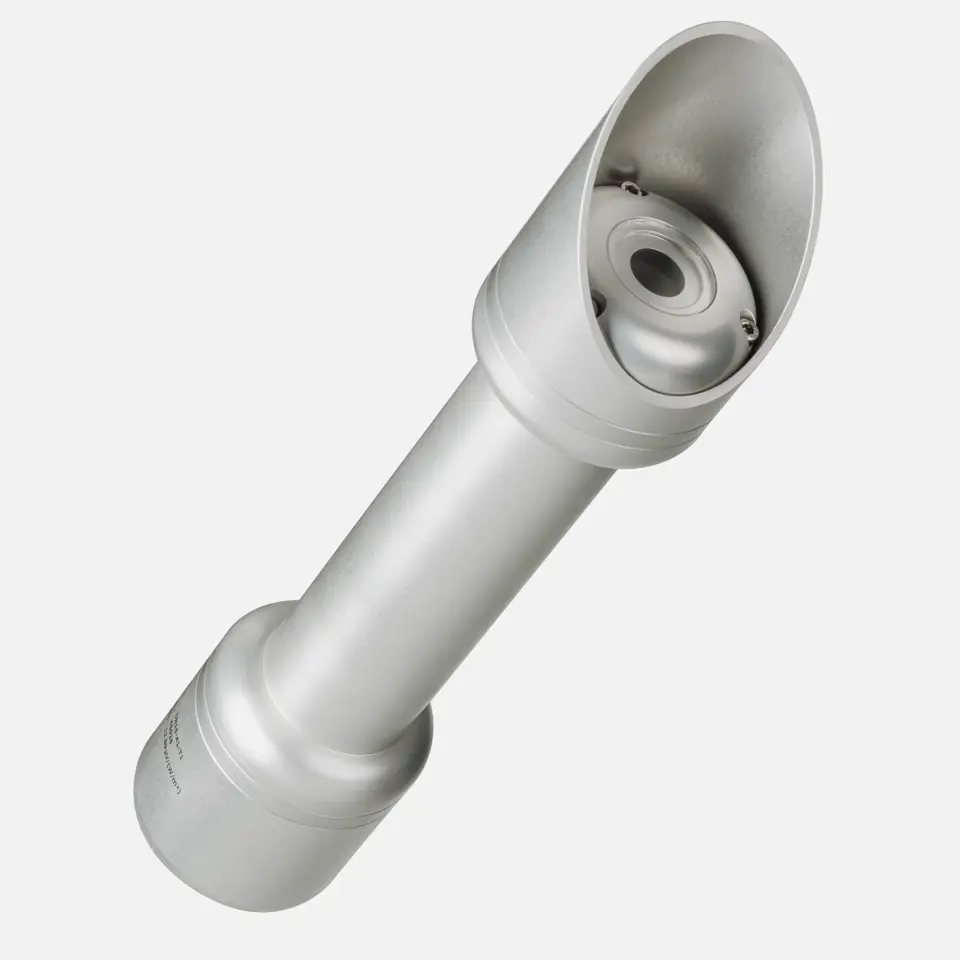
Hukx’s DR20-A1 pyrheliometer is a new Class A instrument with an improved temperature response compared to DR15-A1. Both instruments offer the highest accuracy and data availability, featuring window heating at low offsets. At the same heating power, the heating has been improved by a factor of 4, at just a quarter of the offset!
DR20-A1 is engineered for high-accuracy measurement of direct solar radiation—also known as Direct Normal Irradiance (DNI)—received by a plane surface from a 5 ° full field of view angle. DNI is expressed in W/m2. For optimal results, the instrument must be mounted on a two-axis tracker to stay pointed at the sun.
Heated for high data availability
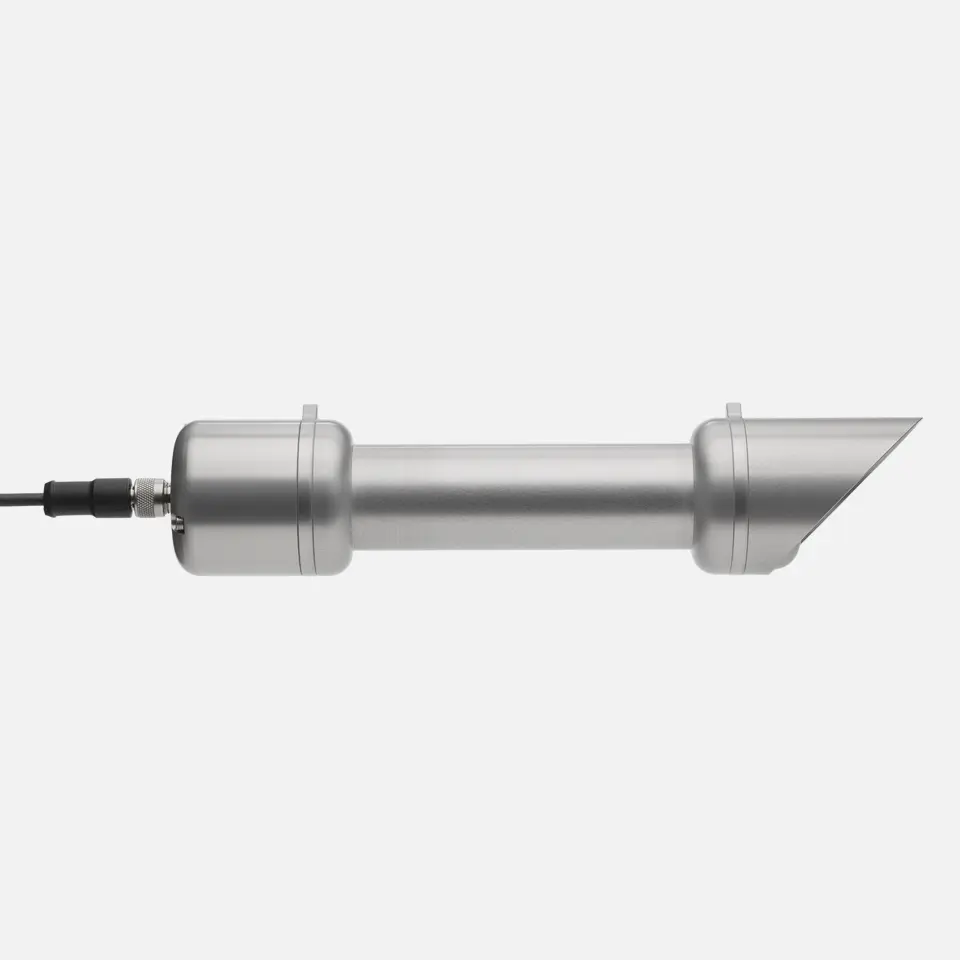
High data availability is attained by heating the front window, which suppresses dew and frost deposition at a very low power consumption. DR20-A1 only requires 1 W to keep their window free from dew and frost.
Liabilities covered: test certificates
As required by ISO 9060 for Class A classification, each DR20-A1 is supplied with test results for the individual instrument:
- sensitivity
- response time
- temperature response
Instrument use
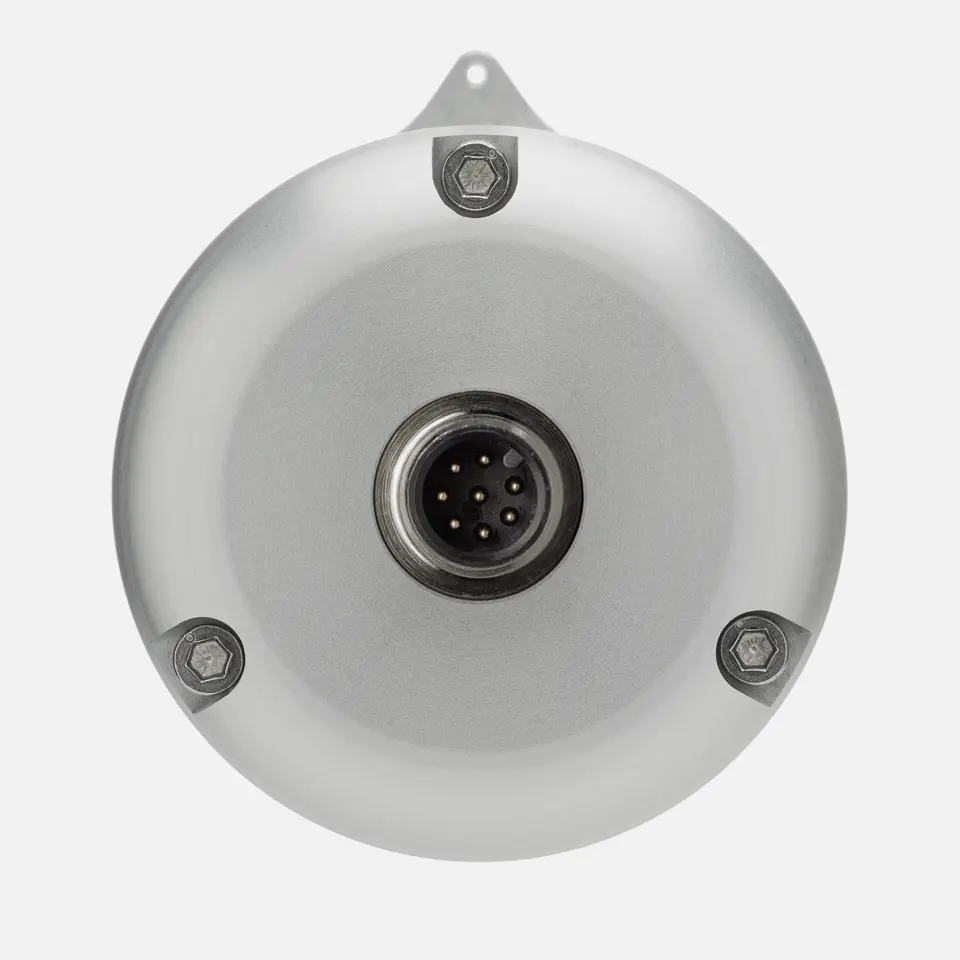
The DR20-A1 pyrheliometer is designed for tracker-mounted operation. It connects directly to commonly used data logging systems and offer analog outputs in the millivolt range.
DR20-A1 design
The pyrheliometer features a precision-ground and polished quartz window, a compact collimated tube, and a thermopile sensor with a black-coated surface.
Suggested use
- solar energy surveys
- solar resource assessments
- meteorological networks
- sites with dew and frost issues
Frequently Asked Questions
Or talk to us
What is the difference between a pyrheliometer and a pyranometer?
A pyranometer measures hemispherical solar radiation. When measuring in the horizontal plane this is called Global Horizontal Irradiance (GHI). When measuring in “plane of array”, next to PV panels, this is called Plane Of Array (POA) irradiance.
A pyrheliometer is used to measure Direct Normal Irradiance (DNI). DNI is defined as the solar radiant flux collected by a plane unit surface normal to the axis pointing towards the center of the sun, within an optical angular aperture. DNI is composed of the solar irradiance within the extent of the solar disk (half-angle 0.266 ° ± 1.7 %) plus some circumsolar radiation.
Areas of application


Related products