Solar irradiance sensor (pyranometer) calibration services, all brands, for PV system asset management
System performance monitoring nowadays requires regular pyranometer calibration
Solar radiation measurement is a cornerstone of the Performance Ratio (PR) measurement of a PV power plant. It also is the weakest link. This is why the latest versions of the IEC 61724-1 (2017 and 2021) require regular pyranometer calibration. This means sending instruments to a lab. Our worldwide calibration and servicing organization is at your disposal.
Introduction
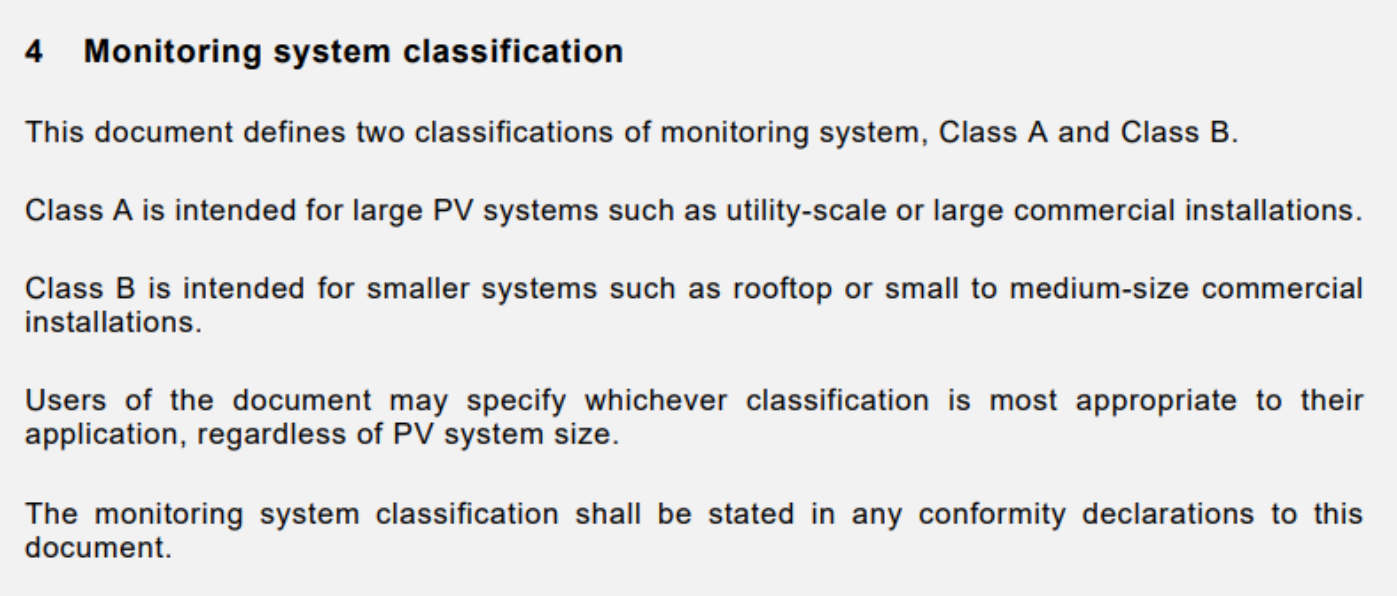
In utility scale PV system performance monitoring the solar irradiance is nowadays measured with pyranometers. The PR calculation essentially takes the system’s electrical output and divides it by irradiance. The PR is a key performance indicator of the PV system performance. Accurate day to day and year to year PR records also increase the PV system value.
The IEC 61724-1 standard update
The first edition of IEC 61724-1: Photovoltaic system performance monitoring – Guidelines for measurement, data exchange and analysis –, dates from 2008. The updated 2017 and 2021 versions of the standard are fundamentally different from the 2008 version. The new scope not only defines the measuring system components and procedures (as in the 2008 version), but it also aims to keep measurement errors within specified limits.
In the new standard regular recalibration of pyranometers is a requirement.
Why calibration?
Regular calibration is part of quality management for all “mission critical” measuring instruments. Its purpose is to verify that the measurement instrument has been and will be stable and, if not, to correct for this. Pyranometers, due to prolonged exposure to the sun, are not expected to be perfectly stable. To attain the high accuracy necessary and to monitor PV system performance and degradation, you must frequently recalibrate pyranometers. Before calibration, the laboratory performing the calibration will also assess the condition of the pyranometer dome. If needed, desiccant is replaced.
How often?
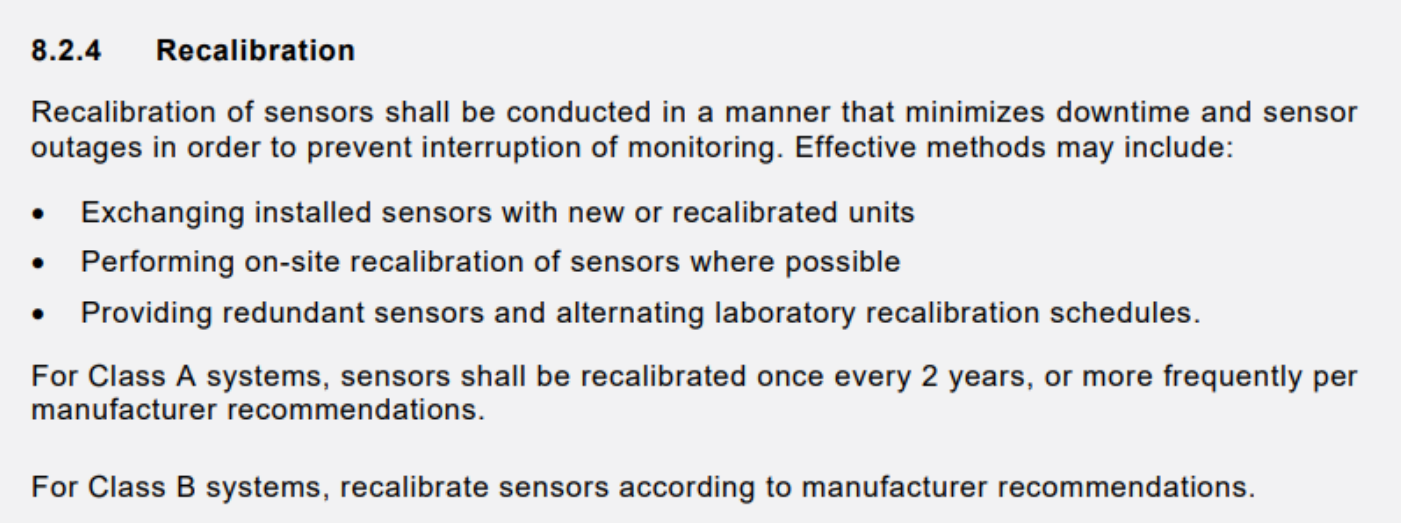
Most instrument owners use a calibration interval of 1 year for all their instruments. With pyranometers, the manufacturer’s recommendation is 2 years; it is too costly to calibrate every year. IEC recommends either working with a 1-year interval or following the manufacturer’s recommendation (see Figures 1 and 2). The consensus is that a calibration interval of more than 2 years involves a significant risk. Most utility scale PV power plants employ multiple pyranometers. They may send 50 % away for calibration in year one, and the other 50 % in year two.
Why not on-site?
Pyranometer calibration equipment is costly, bulky and vulnerable; not easy to transport.
Also, on-site availability of the natural sun is not sufficiently reliable to use for calibration. Even if the sun shines, it may not be sufficiently stable, or at angles that are too close to the horizon.
In practice, outdoor pyranometer calibration will not attain the 2 % uncertainty level required for Class A PV system performance measurement. In some cases, the 3 % requirement of Class B systems will be attained, but this is generally considered insufficient for utility scale PV power plants. High-accuracy solar calibrations are nowadays done at specialized laboratories. More details on why you must send instruments to a laboratory can be found in our section about pyranometer calibration.
Related products
More application notes
All application notes


We like having a good technical conversation
Do you have questions, need help finding the right solution, or looking to discuss an instrument for a unique application? Our technical engineers provide expert advise. Contact us now!