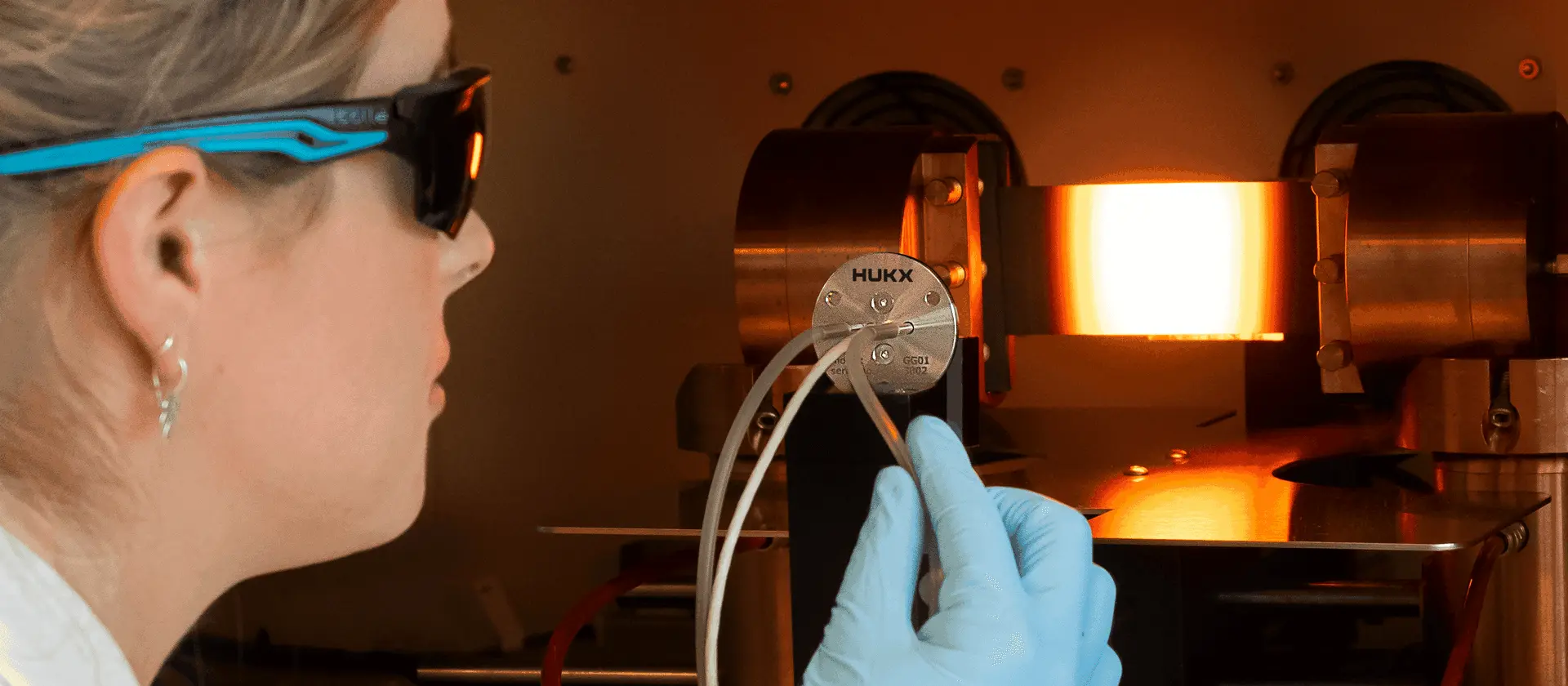
Many engineering studies involve the measurement of transport of heat. Understanding and observing heat transfer mechanisms is essential to understand the underlying physics and transport mechanisms. Hukx started making heat flux sensors in 1993. We have designed and supplied sensors for many studies. Our experience includes a variety of environments such as the automotive industry, material science, aerospace applications, blast furnaces, vacuum chambers, cryogenic conditions, eddy covariance towers, sub-sea pipelines, and many other environments. We are the market leader in industrial heat flux and heat transfer measurement.
Why measure heat transfer?
Heat and heat transfer measurements are used for several purposes, such as:
- analyzing the energy balance of a system
- deriving material properties
- characterizing chemical reactions and phase transitions
- determining heat absorption or release
- detecting changes in flow regime
Often, heat transfer is measured comparatively. This means that two measurements are done under the same heat flow conditions: a temperature response measurement of the ‘unknown’ material and the same measurement of a reference material. By comparing these two measurements, the heat transfer of the testing material is determined. A more accurate way to determine heat flux is using absolute values and directly measuring heat transfer with heat flux sensors.
Heat transfer mechanisms
Heat transfer can be characterized using a heat flux sensor. Heat flux is defined as the energy flux onto or through a surface, in [W/m²]. This surface is the active area of the sensor itself. Heat transfer on this surface happens through one of these three mechanisms:
- conduction: heat flowing through a static, non-flowing material.
- radiation: heat transmitted by electromagnetic waves, typically in the visible or infrared ranges.
- convection: heat is transported by flowing fluids or gases.
Any form of heat transfer is driven by a temperature difference, always flowing from a hot to a cold environment. At the surface of a solid object, the total heat flux is often a combination of conduction, radiation and convection. Convective and conductive heat flux are measured by allowing this heat flow through the sensor surface. Radiative heat flux can be measured by applying a black absorber sticker to the sensor surface. This accessory converts radiative energy into conductive energy. Conversely, radiative flux can be blocked with a radiation reflector on top of the sensor.
Our heat flux sensors
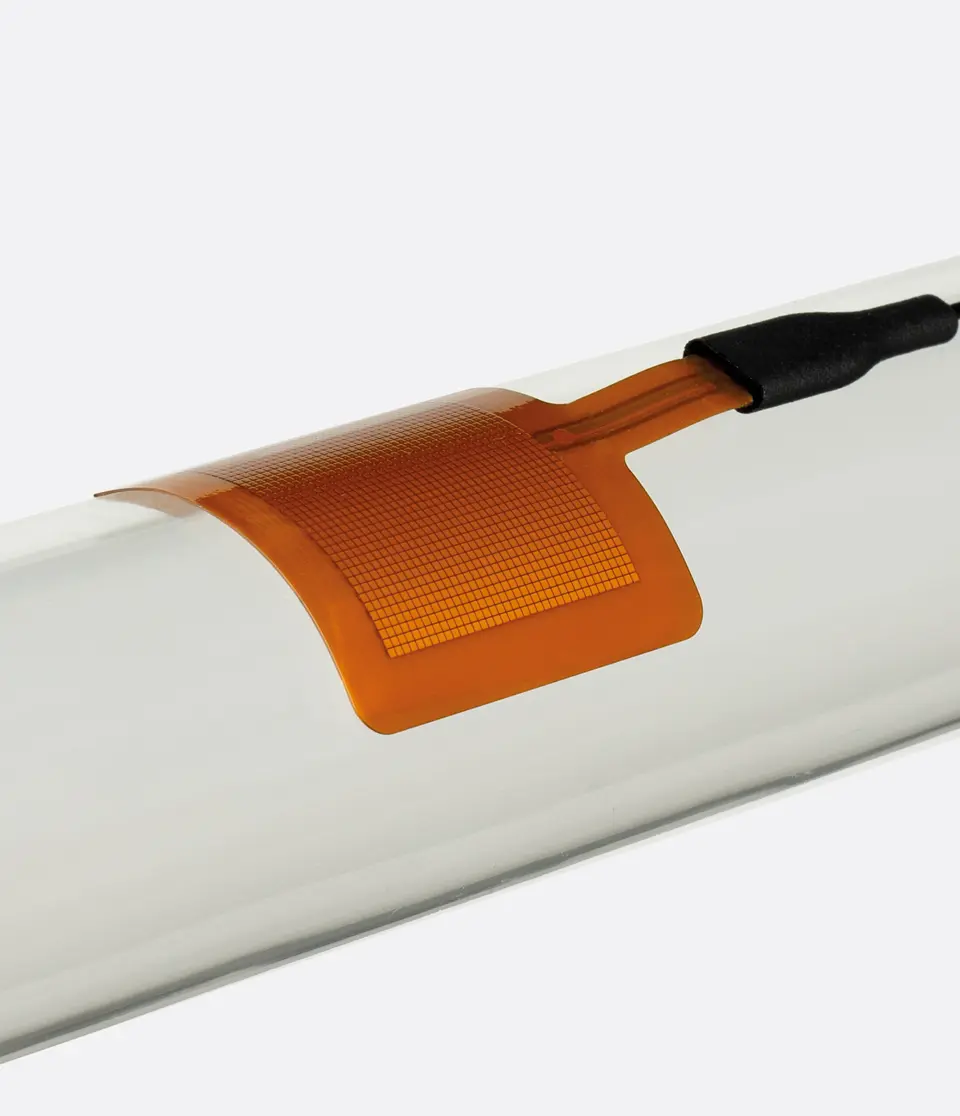
Hukx has developed a wide range of heat flux sensors, each designed for a specific application. Our most popular and versatile sensors use patented thermopile foil technology for general-purpose heat flux measurements. These thin foil sensors measure heat flux through the object in which they are incorporated or on which they are mounted. Thermal spreaders on the foil surface ensure sensitivity remains independent of the measuring environment. The two foil heat flux (FHF) ranges are:
- FHF05 series: This series includes five models ranging in dimensions and sensitivities. They are rated for continuous use from -70 to 120 °C with a thickness of only 0.4 mm.
- FHF06: This sensor offers the benefits of the FHF05 series for higher temperature ranges. The FHF06 is rated for continuous use from -70 to 250 °C, which makes it ideal for high-temperature heat flux measurements that exceed the FHF05s limit.
Besides our FHF sensors, we also offer sensors for extreme environments, including fire testing, industrial applications, and other demanding conditions. Using our sensors, you can take your research to the next level.
Advantages
Choosing heat flux sensors from Hukx means investing in high-accuracy data. We offer many other advantages including:
- Proven expertise: At Hukx, we have been designing heat flux sensors since 1993. Over the years, we have been expanding our product lines, and we have established ourselves as both technology and market leader.
- Worldwide support: Hukx has specialists available in every major economy.
- Calibration support: We offer calibration support for our sensors worldwide. Heat flux sensors are calibrated in our main office in Delft, The Netherlands.
- Traceability: All sensor calibrations can be formally traced to international standards.
Related products
Related application notes
Selecing a heat flux sensor
What not to do
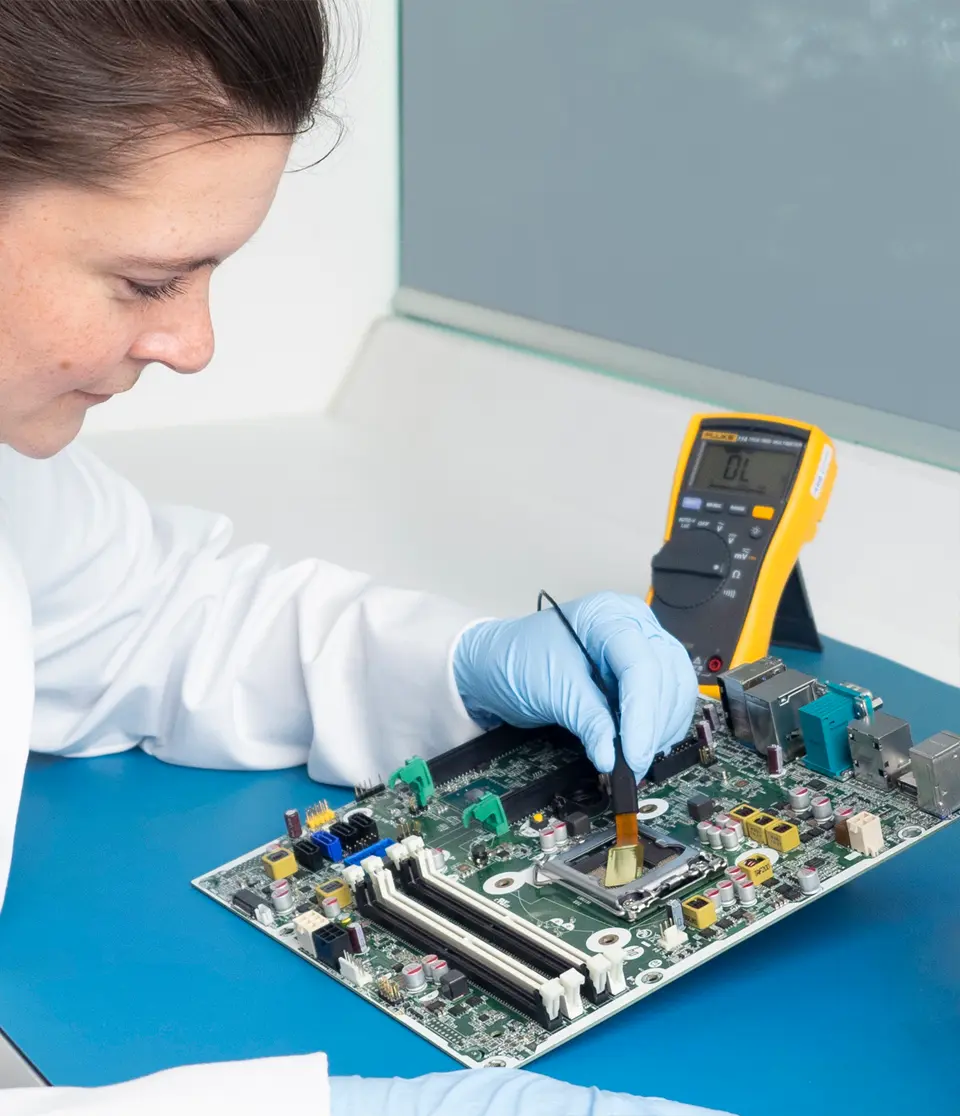
Suitable data loggers and amplifiers to work with Hukx heat flux sensors
Discover the versatile compatability of our heat flux sensors
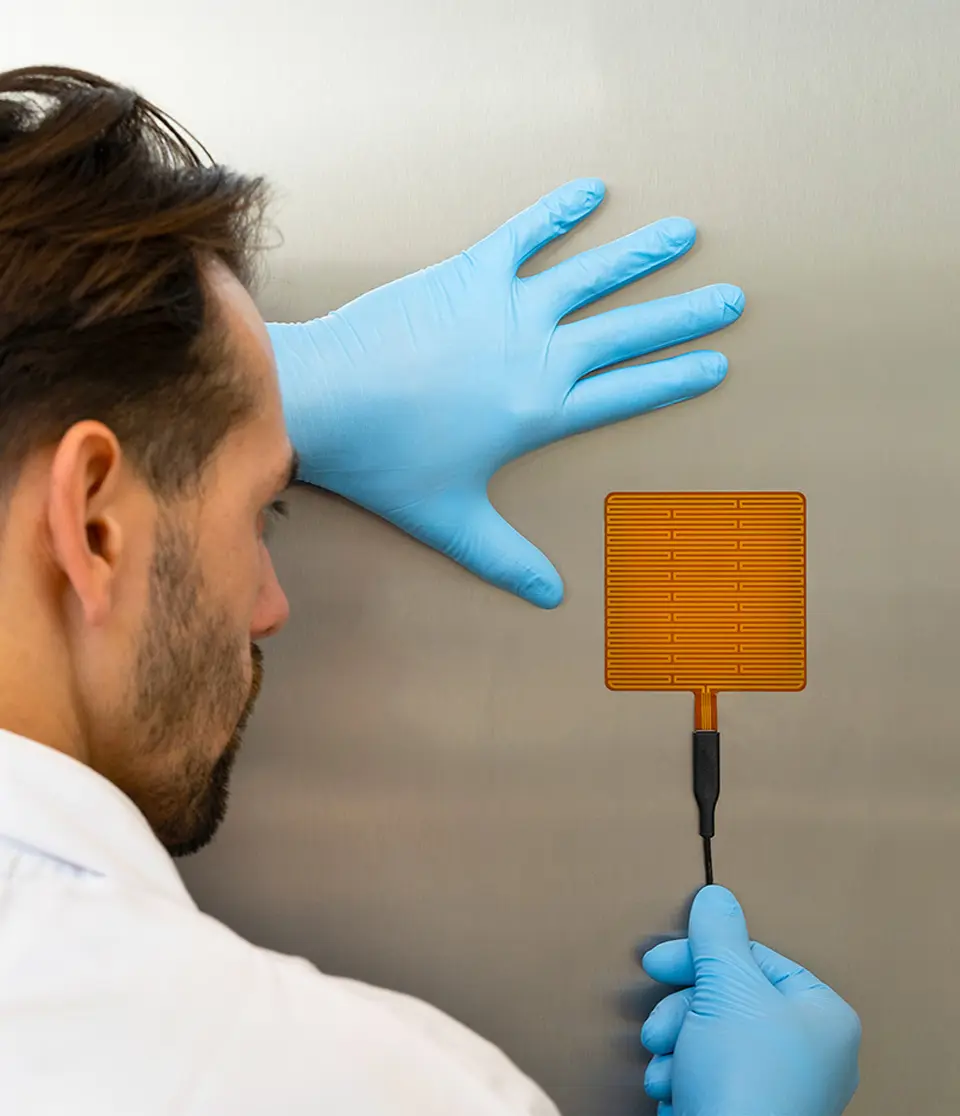
How to install a heat flux sensor
Tips and tricks to get the most out of your heat flux measurement
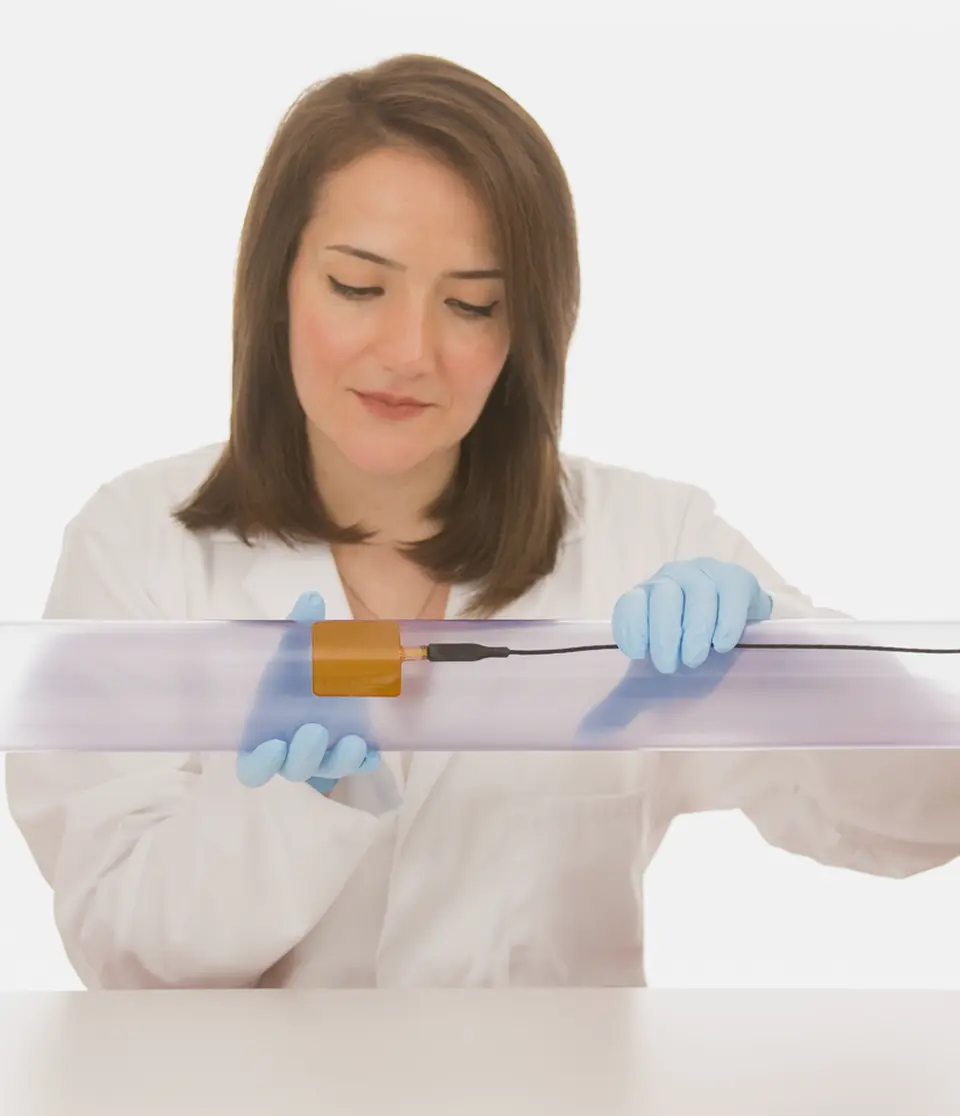
Heat flux sensor technology:
Printed thermopile conductors vs. etched-and-plated
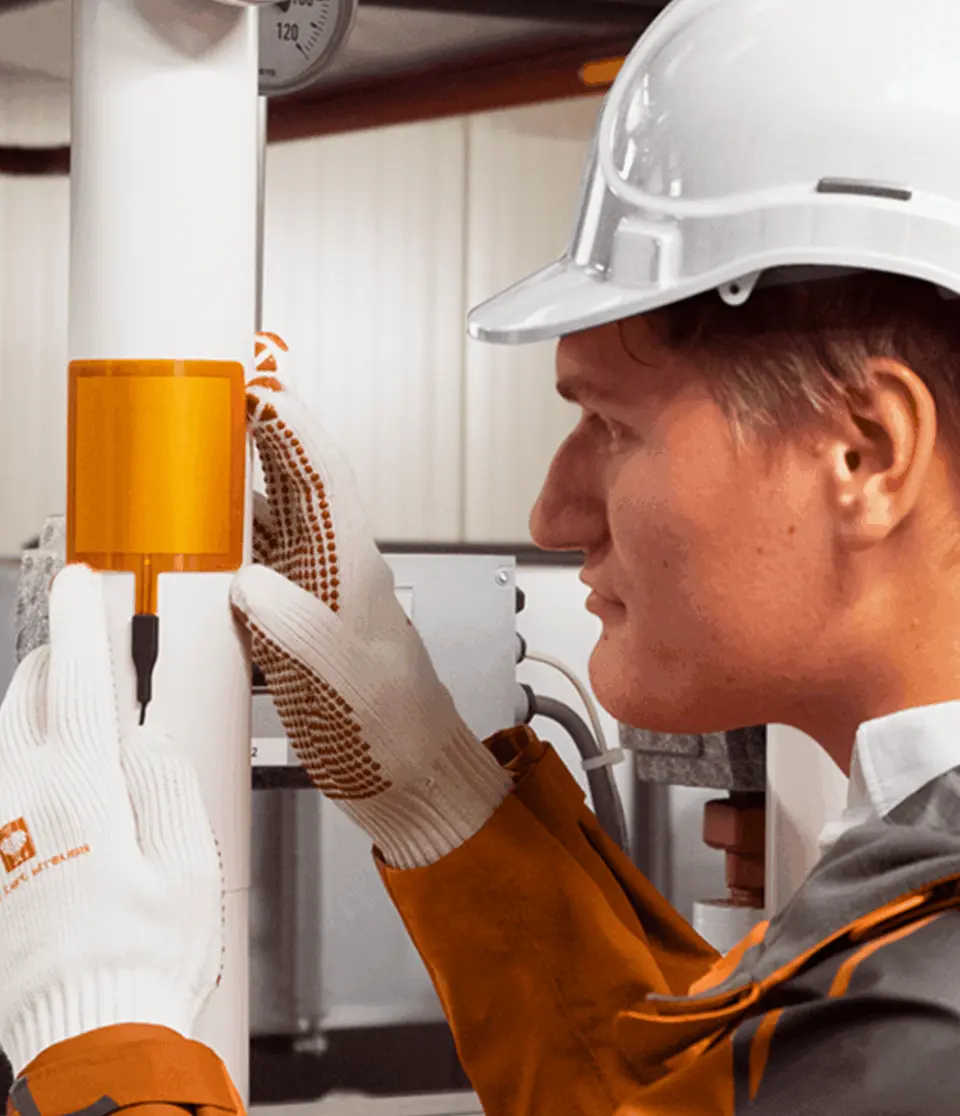
Heat flux sensor technology:
Why use sensors with low thermal resistance and with spreaders
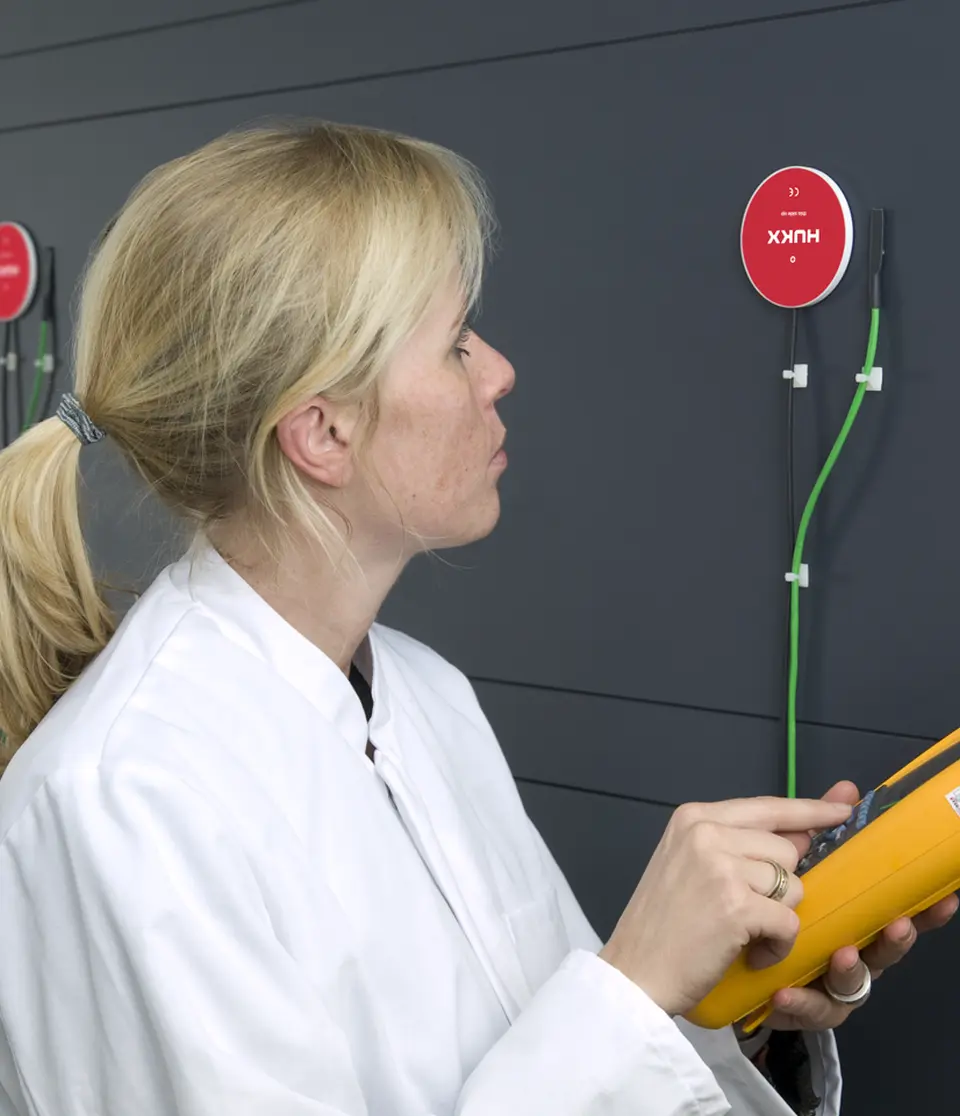
Heat flux measurement fundamentals and applications
Fundamentals of measuring with heat flux sensors.
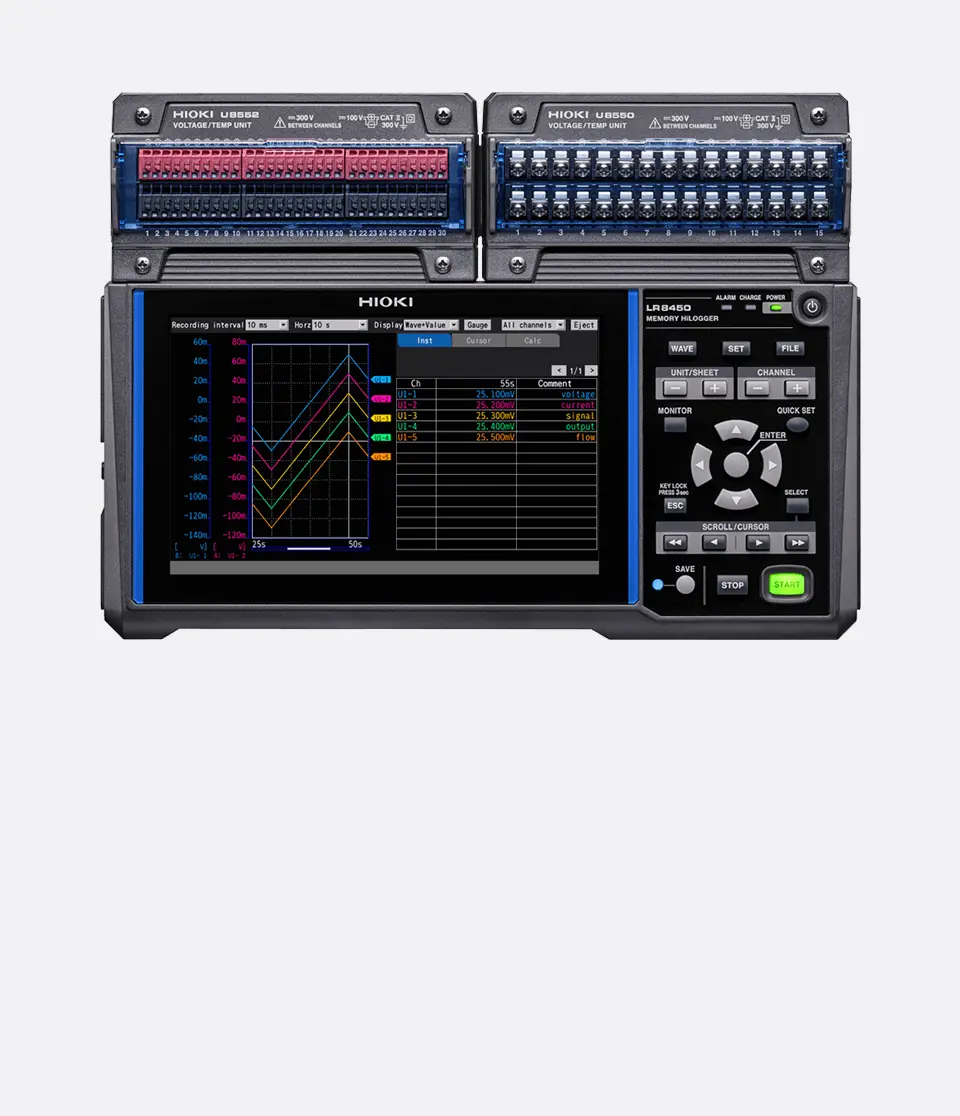
Hioki's data logger LR8450 & Hukx's heat flux sensors FHF05
Battery EV thermal management
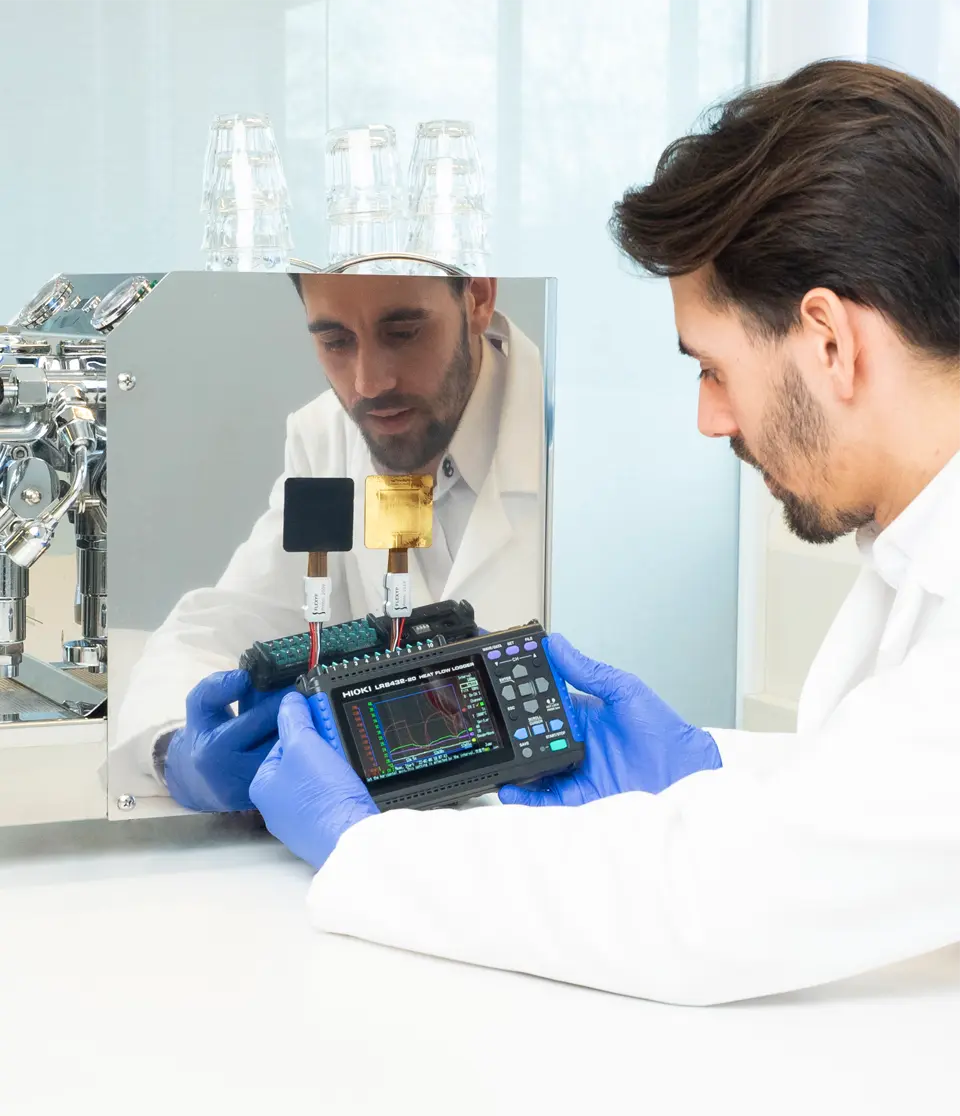
Test report Hioki LR8432
Hioki heat flow logger LR8432 used with Hukx heat flux + temperature sensors
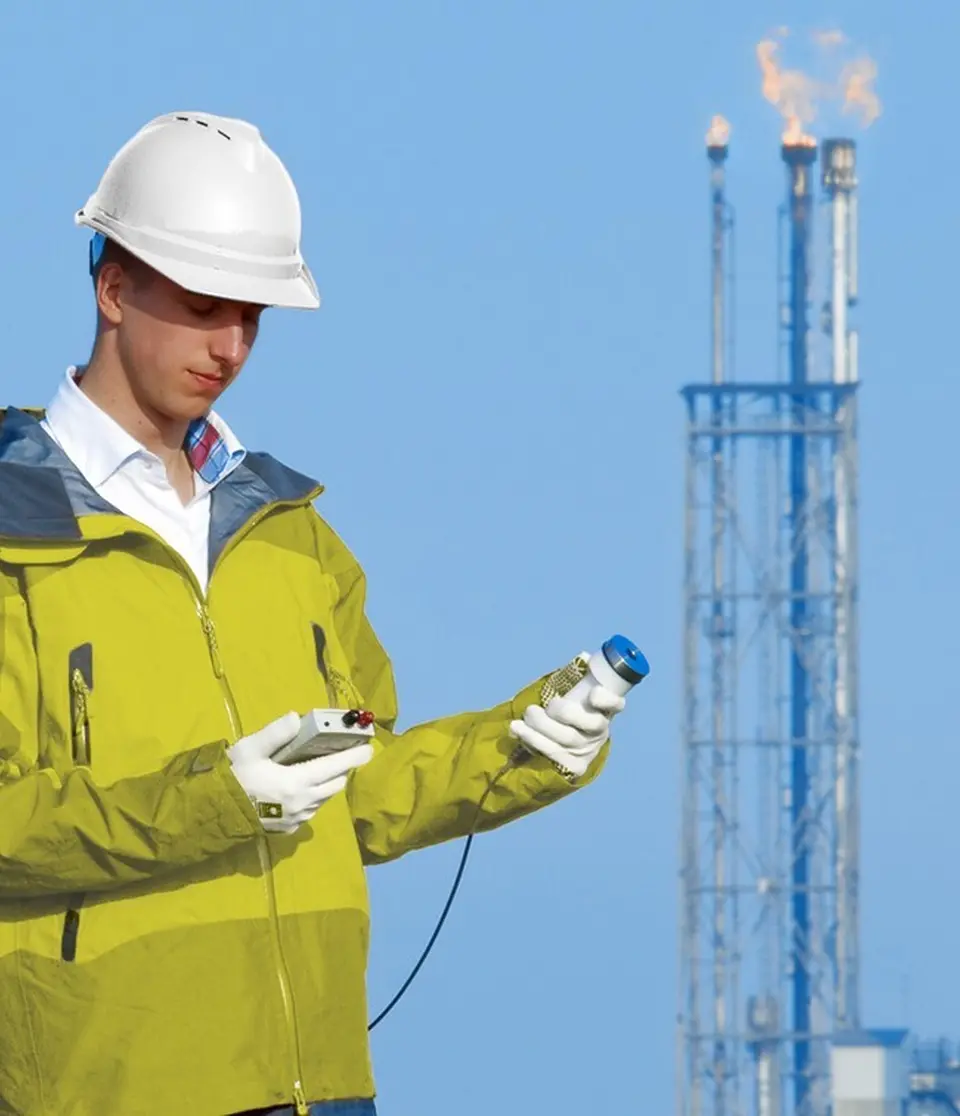
Hukx heat flux sensors for industrial use
Sensors for process control, emergency response, studies of insulation

We like having a good technical conversation
Do you have questions, need help finding the right solution, or looking to discuss an instrument for a unique application? Our technical engineers provide expert advise. Contact us now!