
The use of heat flux sensors
Did you know that heat flux can be measured? The FHF05 series heat flux sensors is used to verify simulated heat flux.
Heat transfer and thermal management of designs, devices and processes are often optimised using CFD simulation. The results are estimated temperatures and heat fluxes. Until now, only measurement of temperature is very common for validation purposes.
The Hukx FHF05 series heat flux sensors offers the first really practical solution to add heat flux to you measurements. For example: they can serve to measure heat flux boundary conditions as input for your thermal simulation (e.g. Ansys, COMSOL, OpenFoam, SimScale, Abaqus, etc.) or they can be used as validation of calculations.
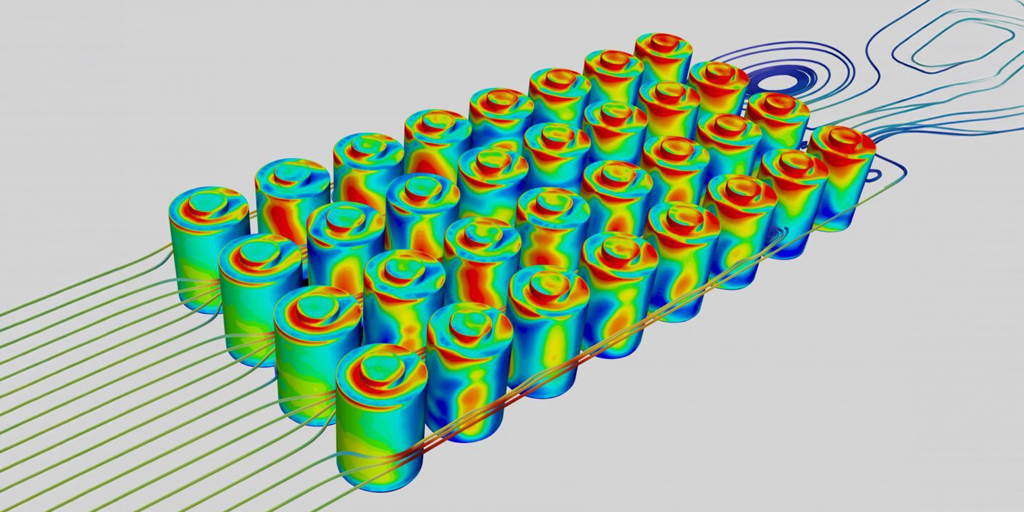
Figure 1 Validating battery thermal management simulations with FHF05 heat flux sensors.
Assets of the newest innovative FHF05 series heat flux sensors
- easy to use and instant results
- affordable
- accurate, no matter what material they are mounted on
- robust
- flexible
- thin and fast; they have low thermal resistance
- temperature range up to 120 °C at continuous use (150 °C short exposure)
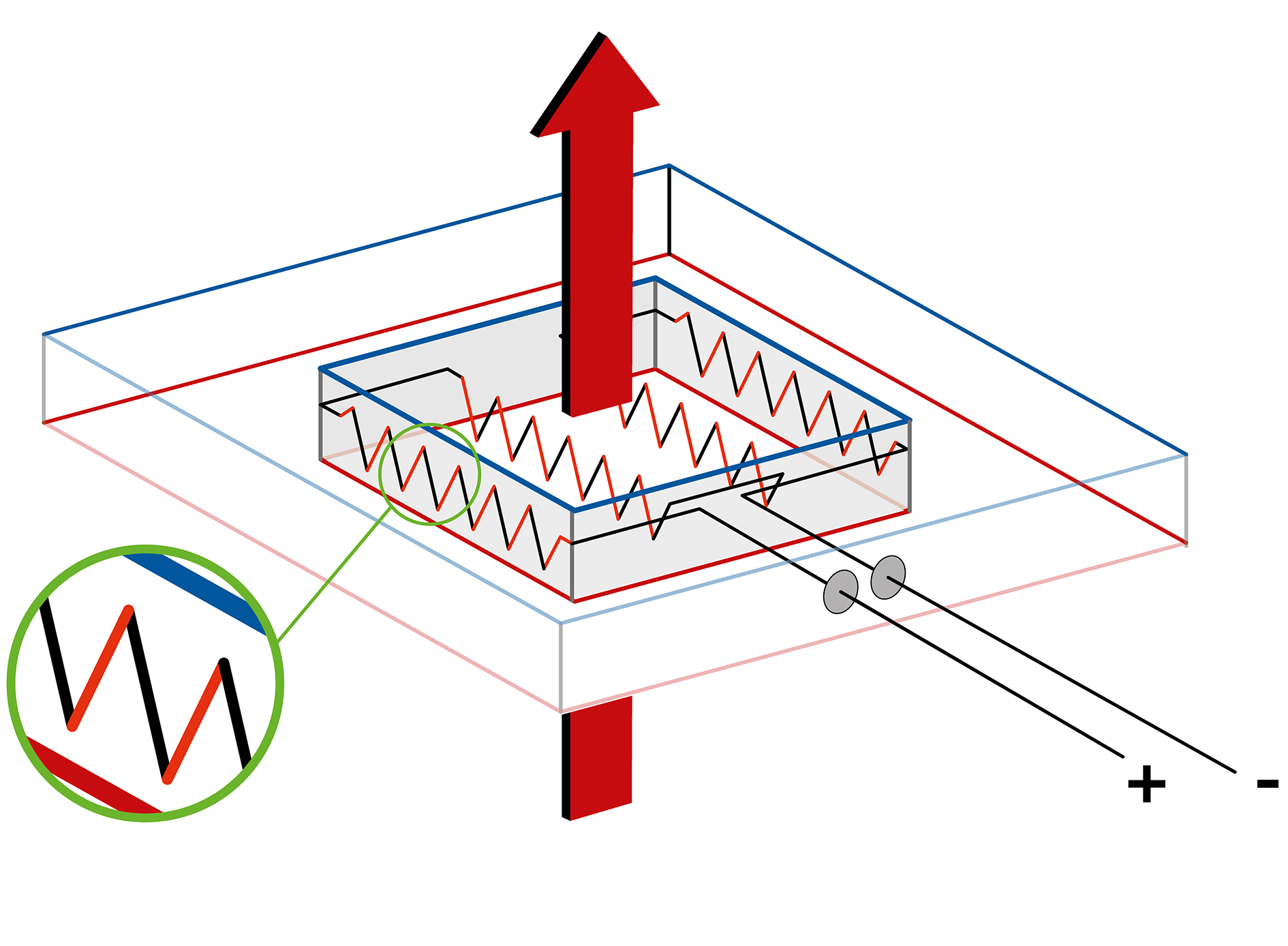
Heat flux sensors measure a temperature difference across a thin layer of material. They typically employ a thermopile, which is manufactured by creating an alternating pattern of two dissimilar conductors, generally metal alloys. The output is a millivolt signal proportional to the local heat flux.
Hukx is the market leader in heat flux measurement, worldwide. We offer a wide range of sensors for measuring heat flux in many applications. Cannot find what you are looking for, or contemplating using a dedicated instrument for a specific application, please contact Hukx. We like having a good technical conversation.
FHF05 series heat flux sensors, with 5 different models, is designed for general-purpose heat flux measurement. Click on the product below to discover all its specifications.
Related products
Related application notes
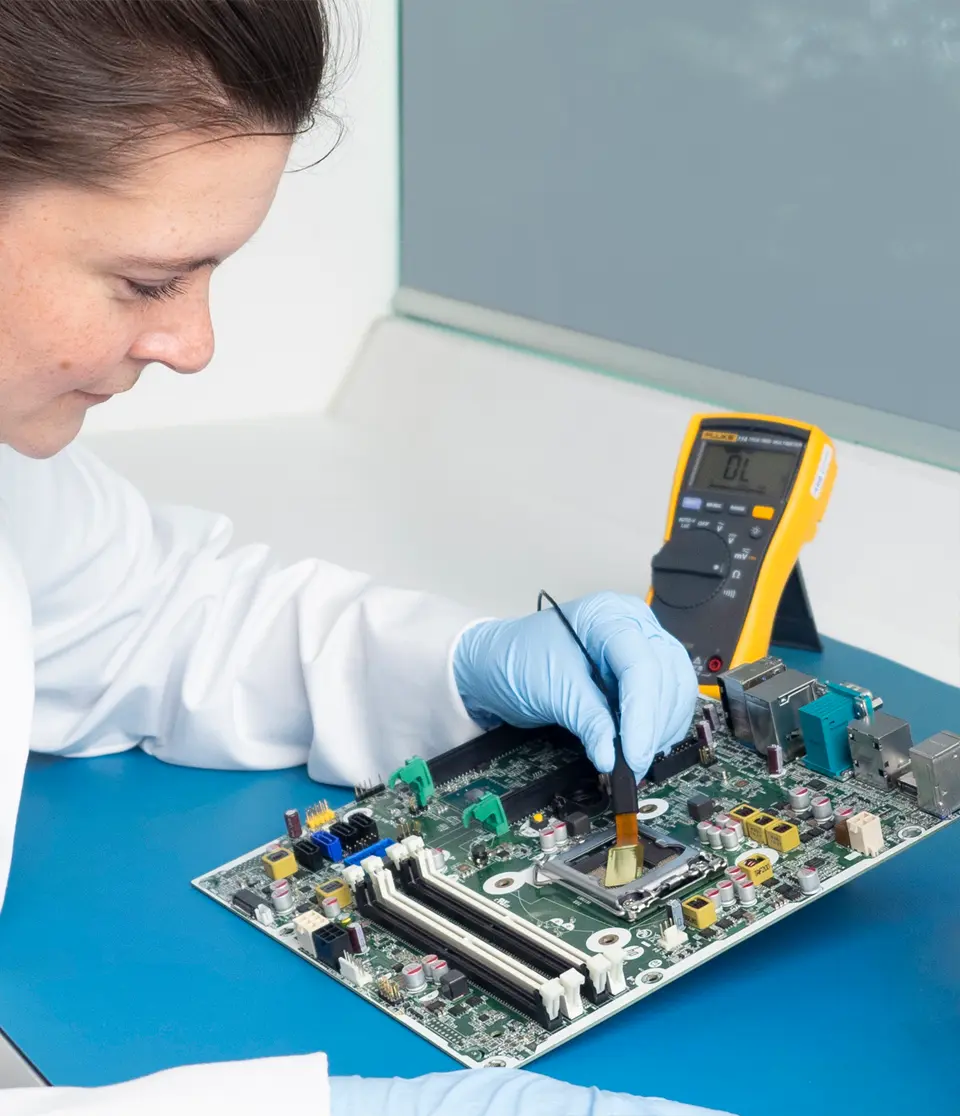
Suitable data loggers and amplifiers to work with Hukx heat flux sensors
Discover the versatile compatibility of our heat flux sensors
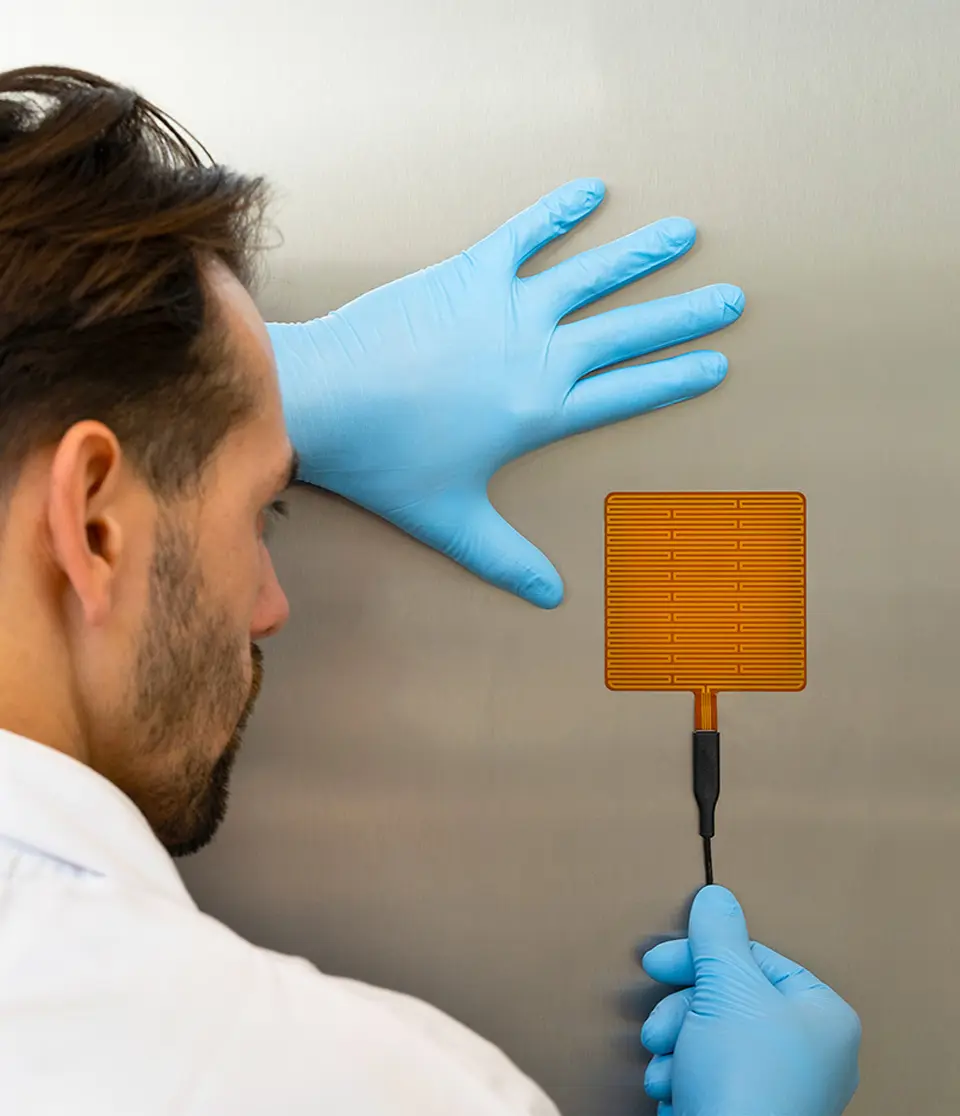
How to install a heat flux sensor
Tips and tricks to get the most out of your heat flux measurement
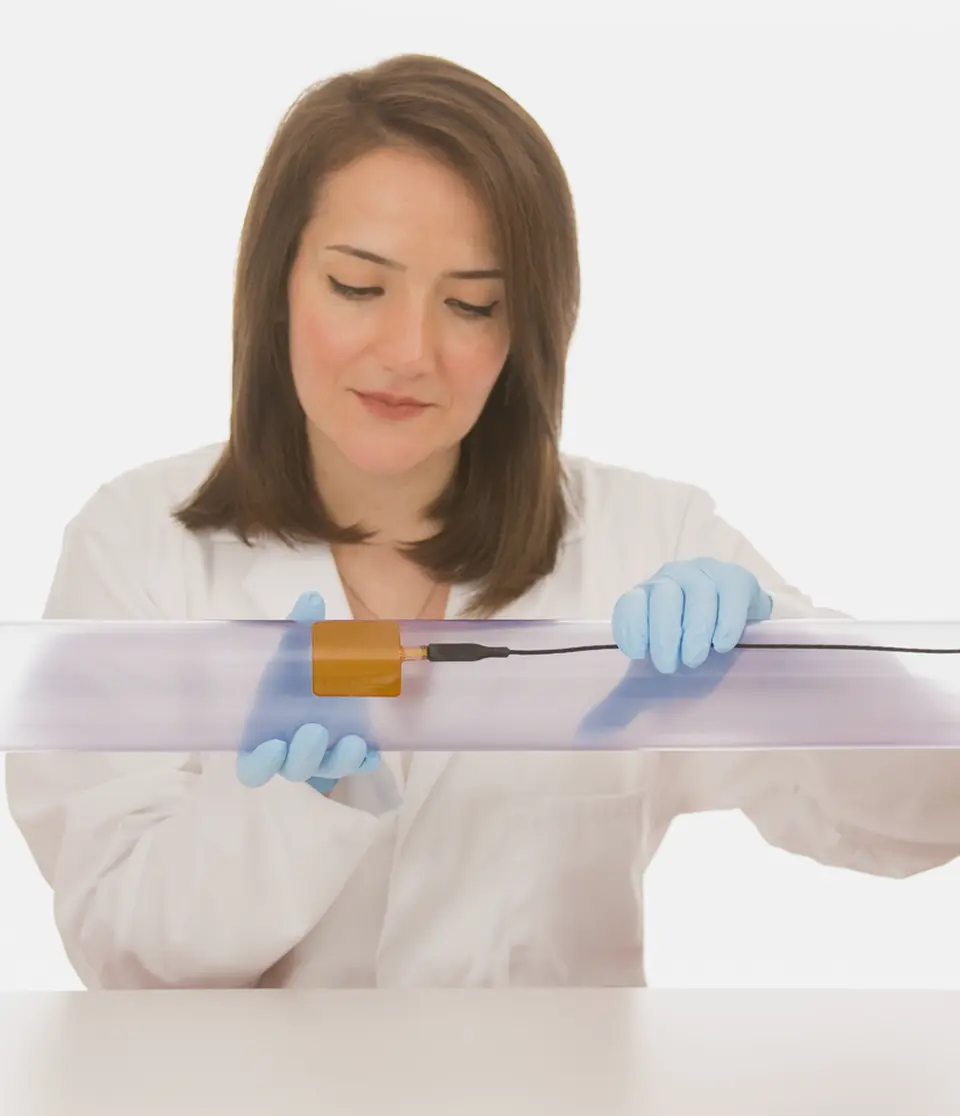
Heat flux sensor technology:
Printed thermopile conductors vs. Etched-and-plated

Heat flux sensor technology:
Why use sensors with low thermal resistance and with spreaders
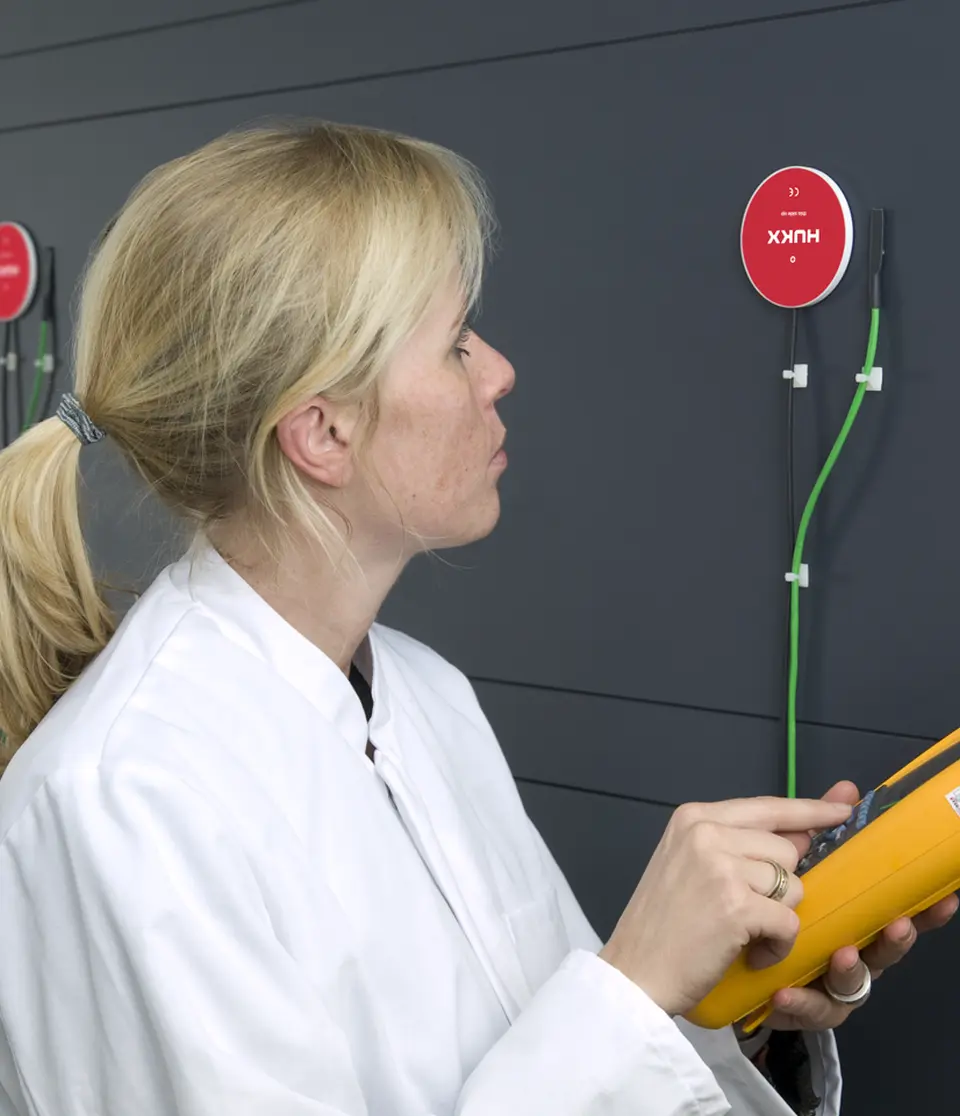
Heat flux measurement fundamentals and applications

We like having a good technical conversation
Do you have questions, need help finding the right solution, or looking to discuss an instrument for a unique application? Our technical engineers provide expert advise. Contact us now!