When building a PV system, location is the most critical choice. Assessing the long-term solar radiation conditions in a potential PV location is essential for investors.
The first step in building a new
PV system
Location matters. A PV system should be installed in a shade-free area with sufficient solar exposure to make the investment worthwhile. A common starting point for predicting the solar energy resources is to review yearly weather averages. However, these averages alone do not tell the full story.
To accurately assess the local solar energy resources, these averages should be combined with long-term solar radiation measurements by satellites. The field data are then used to "calibrate" the satellite data. Using this method, engineers can accurately predict their PV system performance and financial returns.
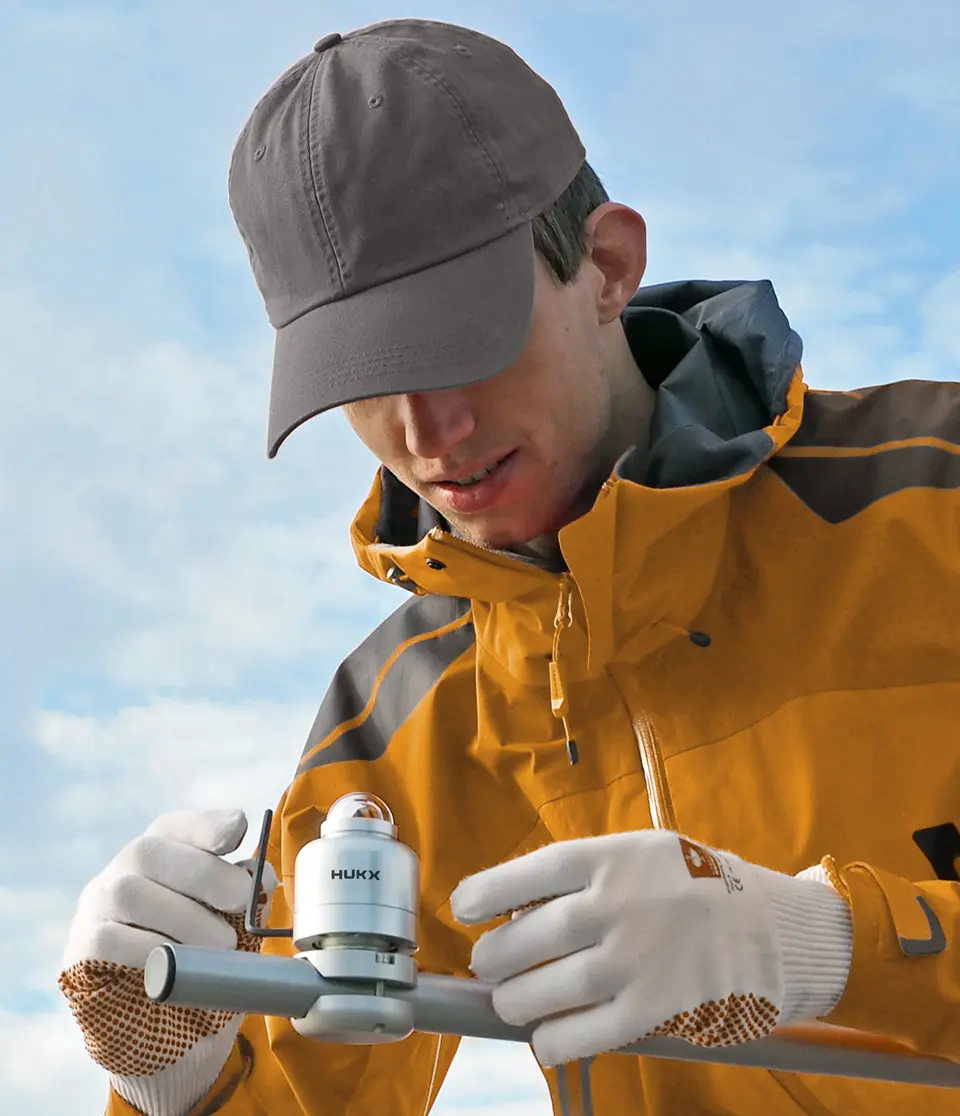
Long-term monitoring is essential to get the complete picture. Typically, data is collected for twelve months or more to capture seasonal variations. At Hukx, we develop accurate and robust sensors to measure all the different components of solar radiation and produce bankable energy yield predictions.
Our solar radiation sensors
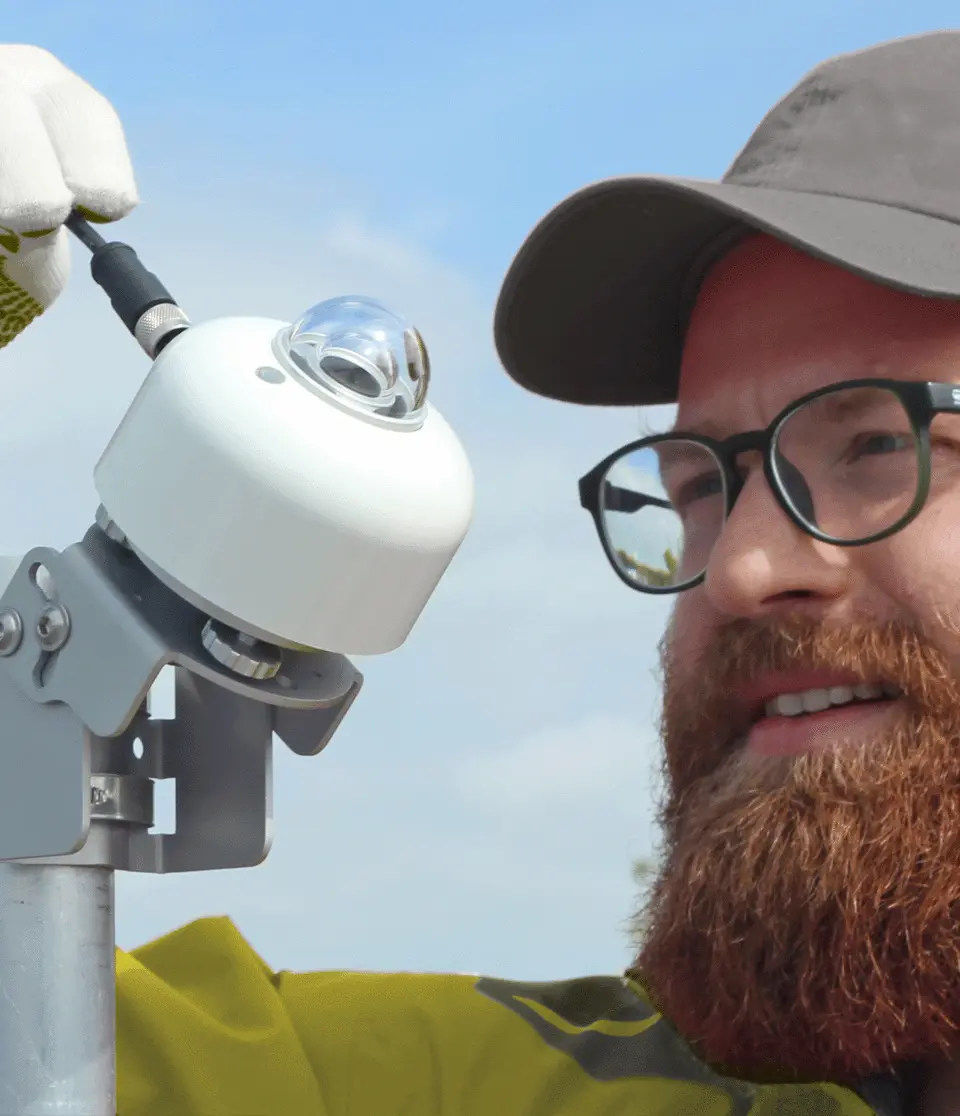
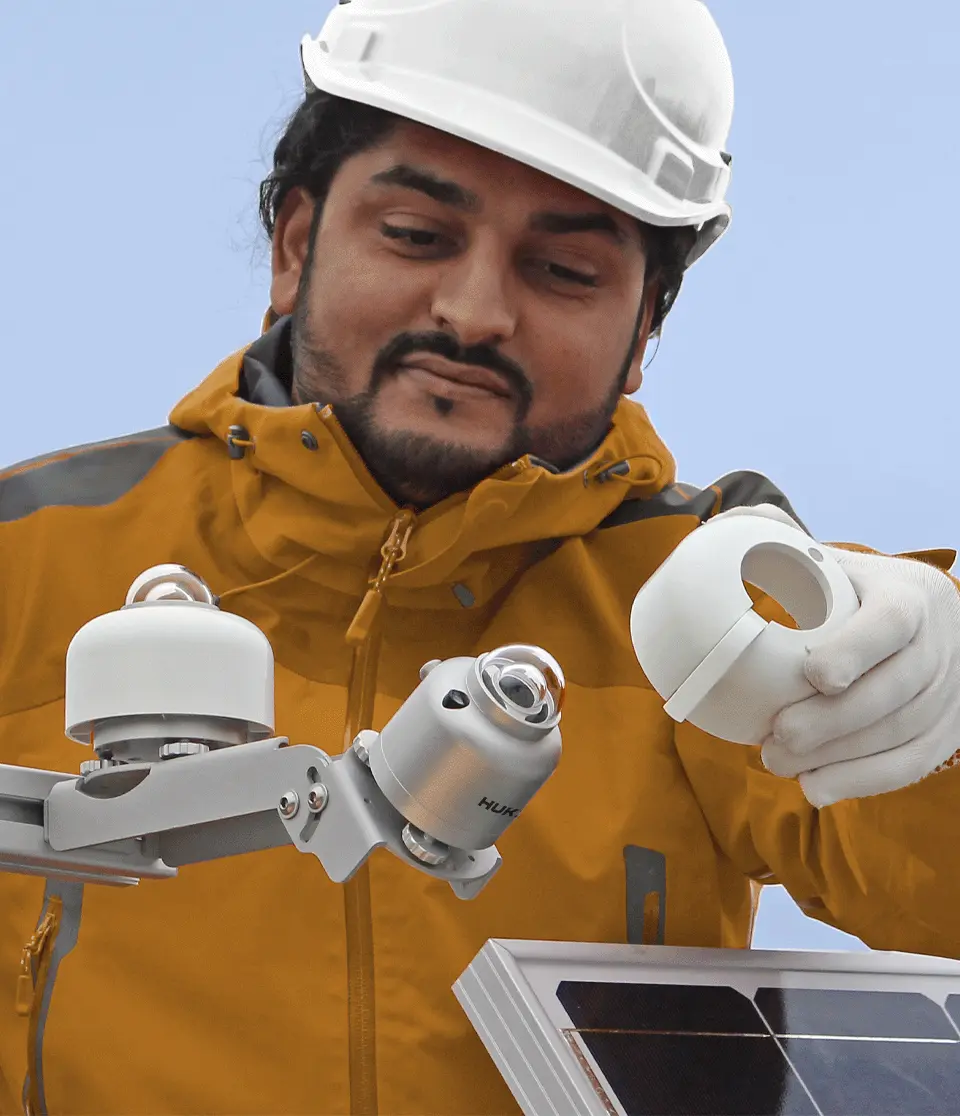
Hukx is a supplier of a range of different sensors for solar radiation. These sensors measure the radiative energy flux onto or through a surface in [W/m2]. We have different sensors suitable for PV monitoring. They each measure a separate component of the sun’s radiation:
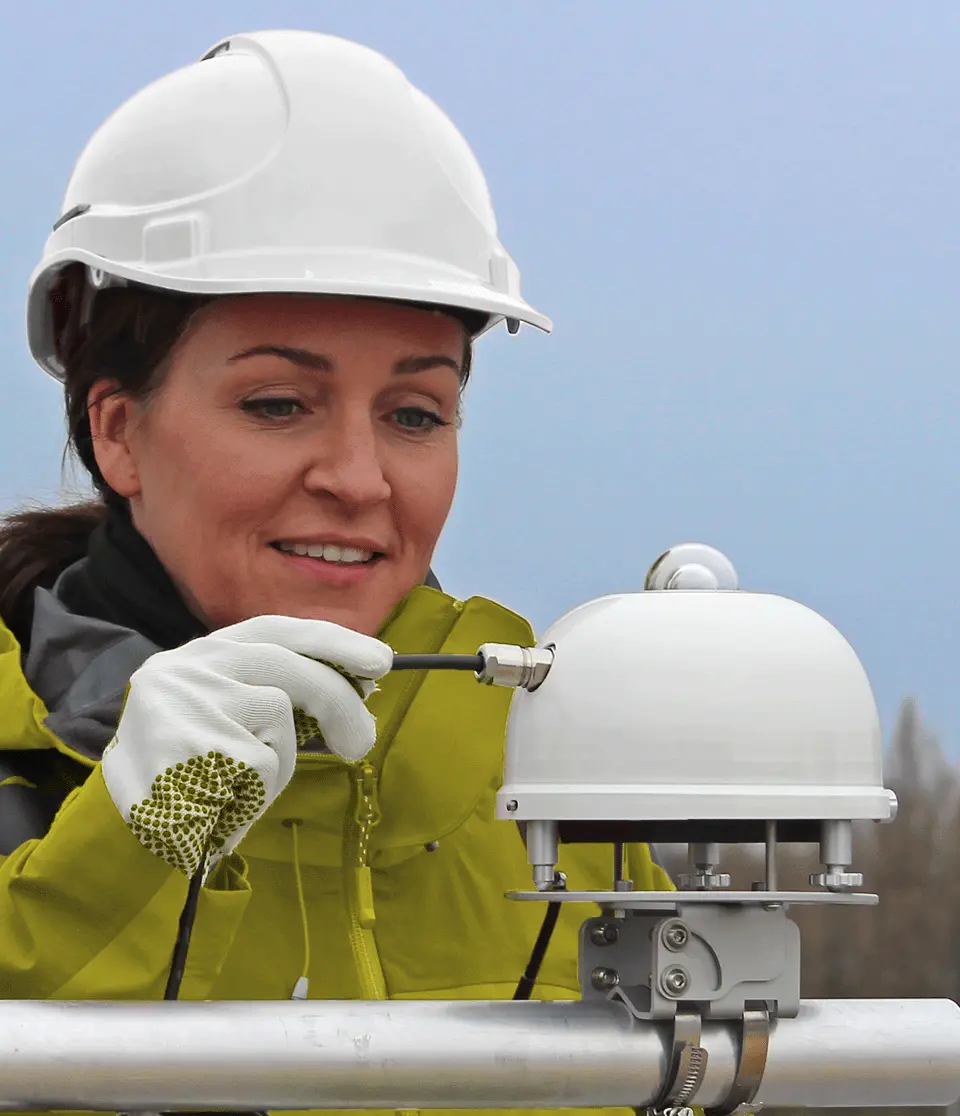
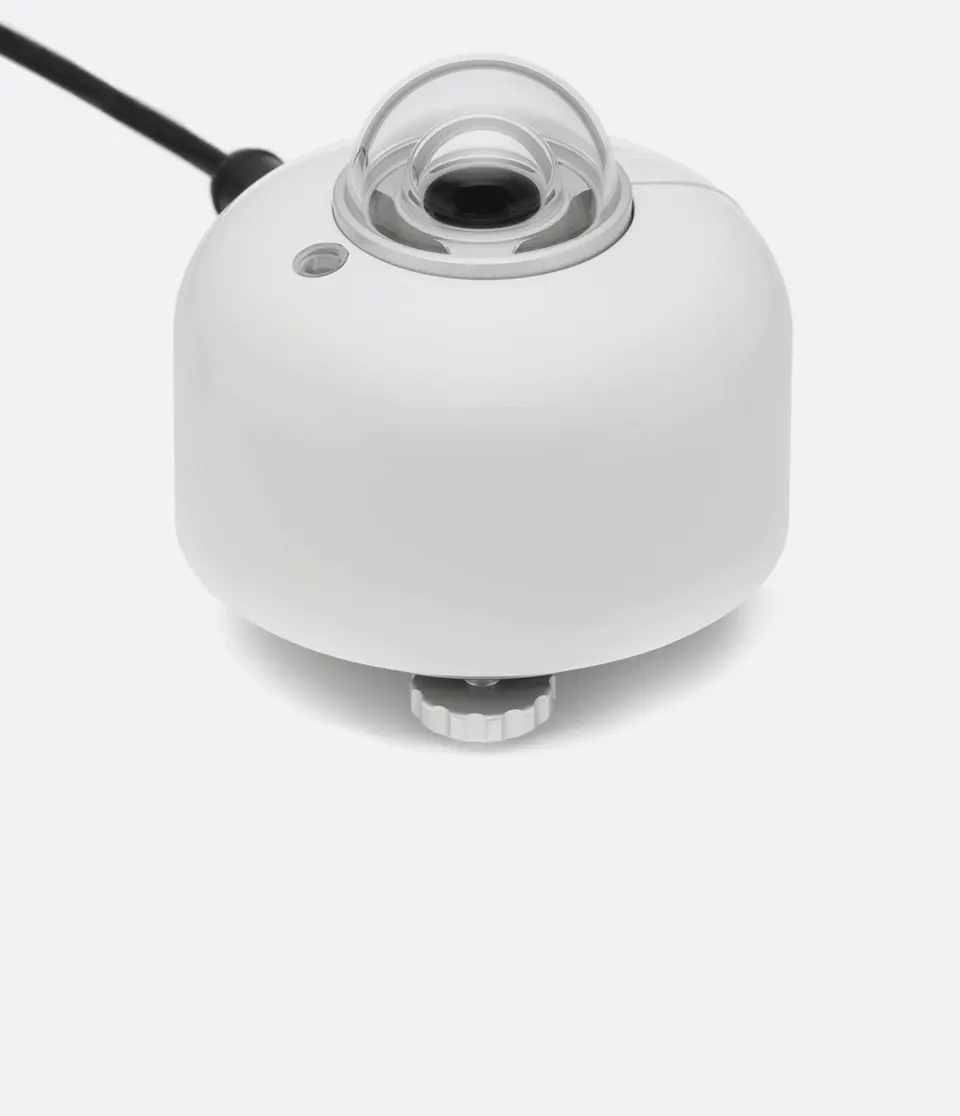
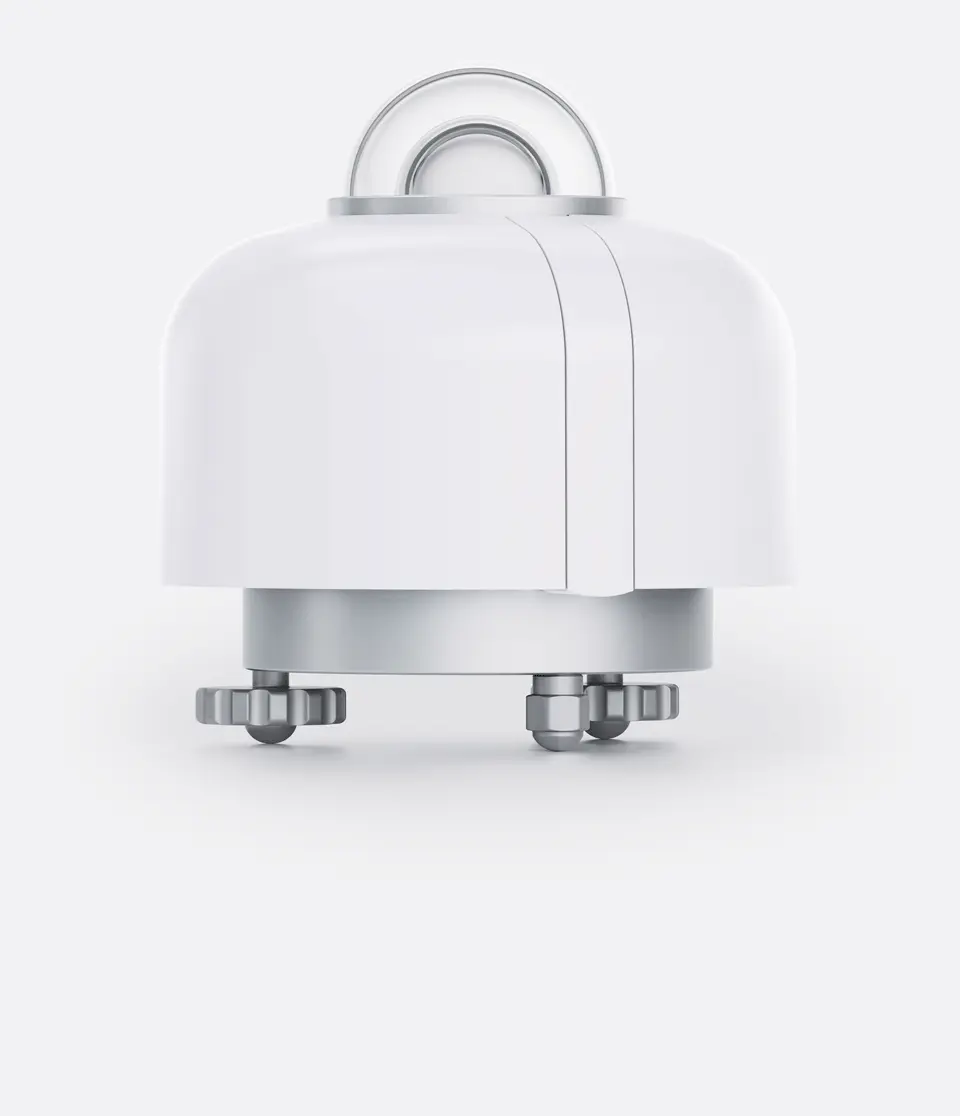
- Pyranometers: Our best-sellers, designed to measure hemispherical solar radiation. This quantity is commonly measured in horizontal position (global horizontal irradiance/GHI). The sensor can also be mounted in the plane of array (POA) next to PV panels, to measure POA irradiance.
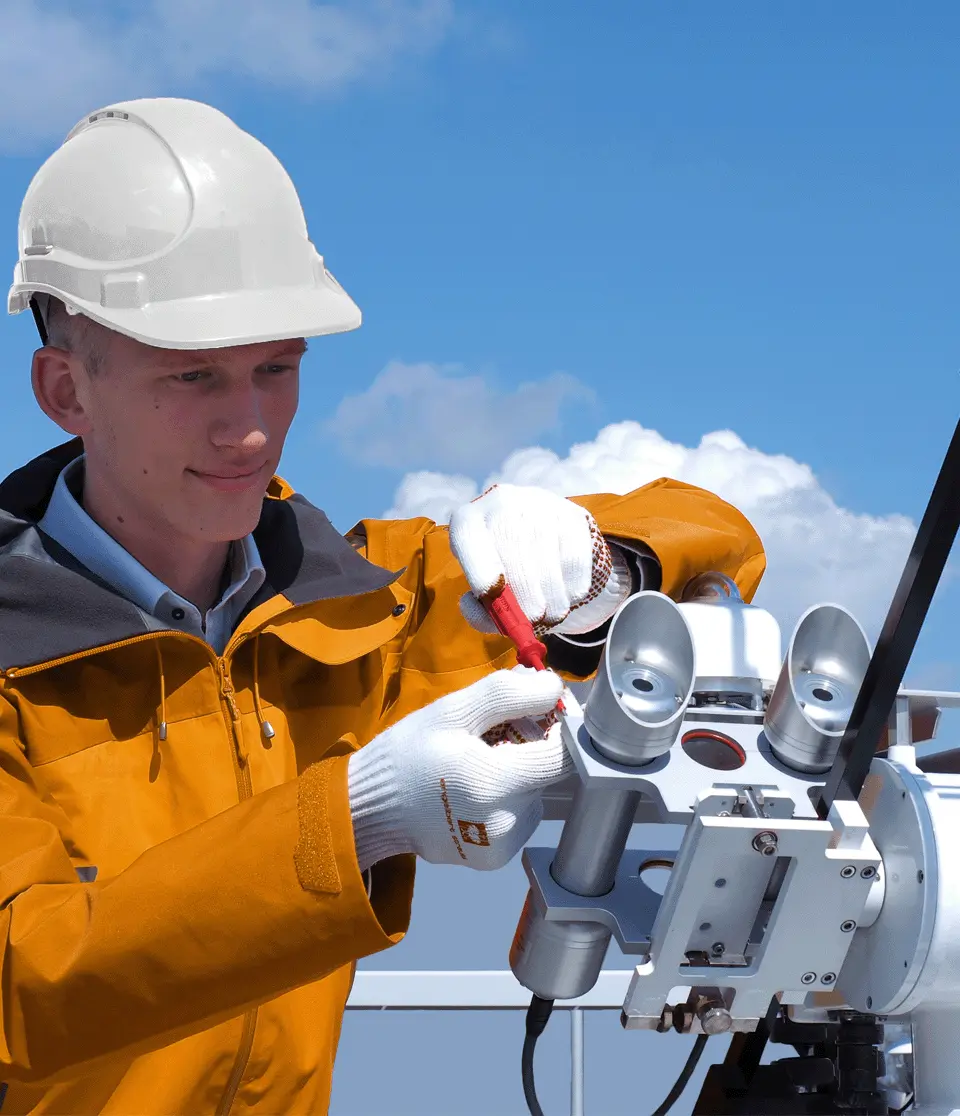
- Pyrheliometers: These sensors are used to measure direct (normal incidence) solar radiation (DNI). They are usually mounted on a sun-tracker to keep the instrument aimed at the sun.
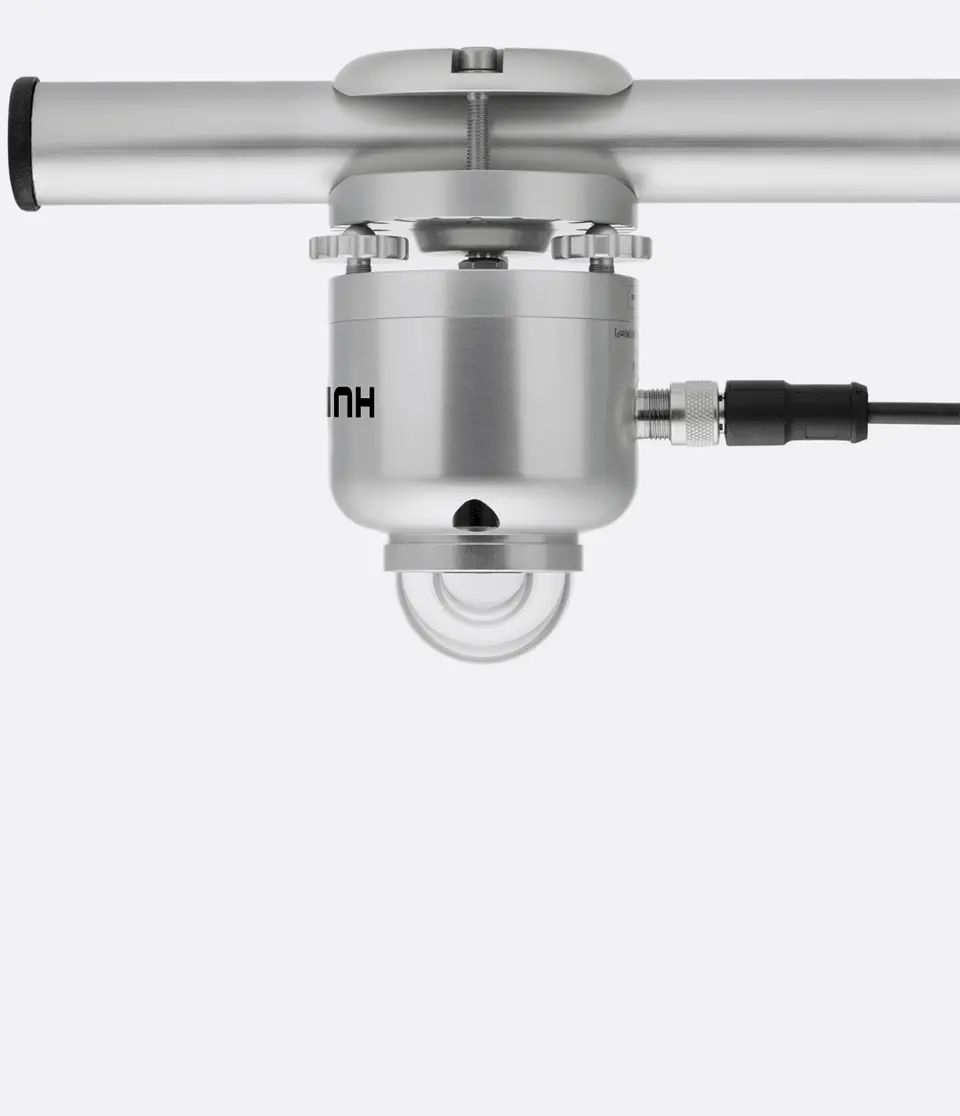
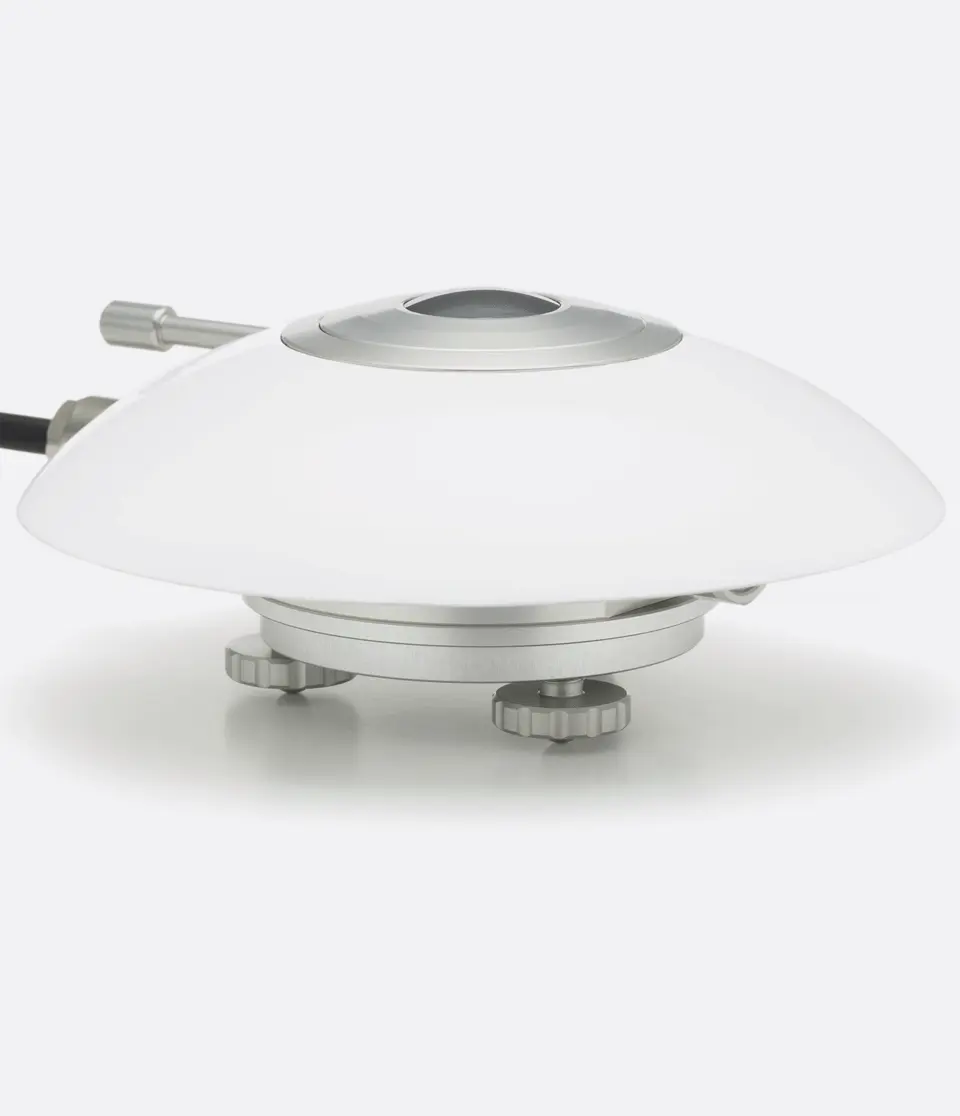
- Diffusometer: This instrument is designed to measure diffuse radiation (DHI). When combined with a pyranometer to measure GHI, DNI can be calculated.
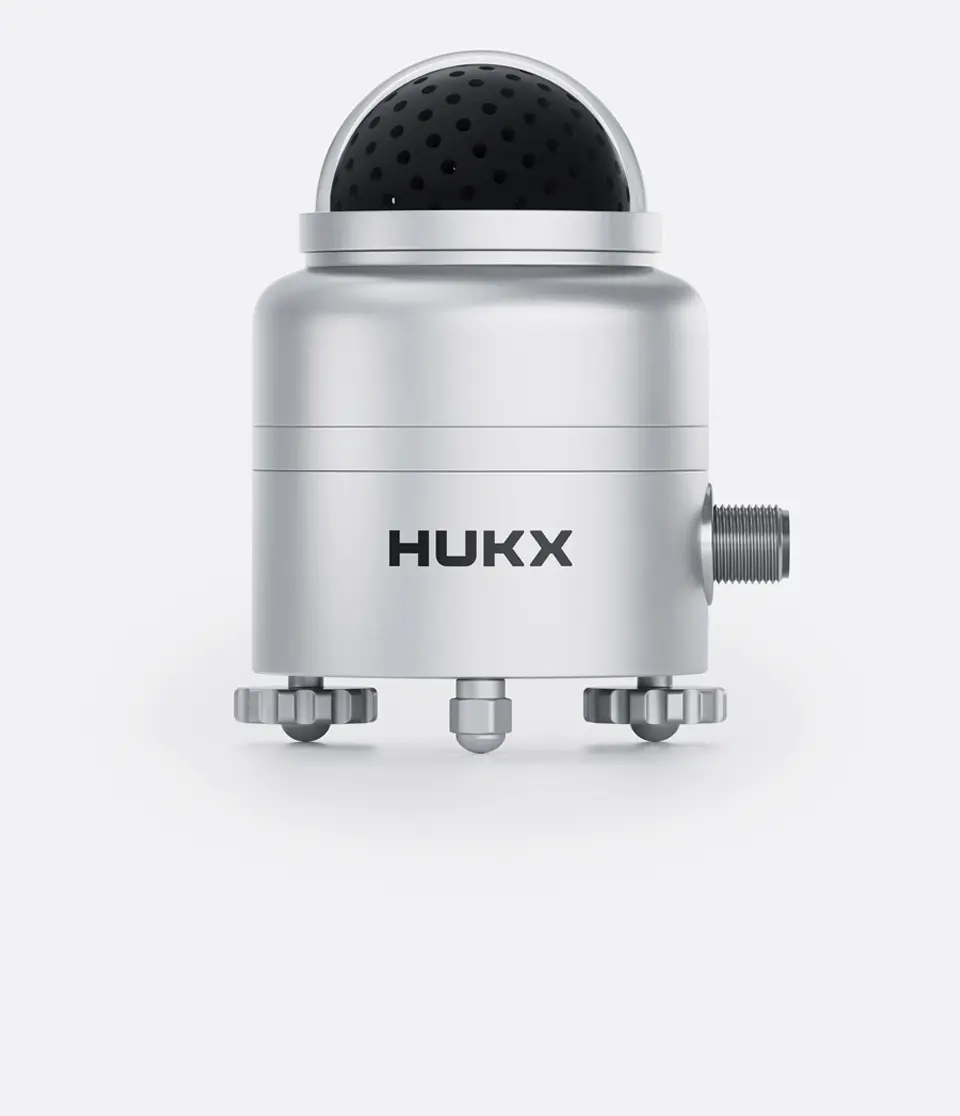
Our pyranometers and pyrheliometers use thermopile sensors to convert thermal energy into an electrical signal. Our diffusometer uses photodiode sensors to convert light into an electrical signal. PV system owners and investors all over the world rely on our instruments to accurately predict solar energy resources.
Sensor selection
Hukx offers a broad range of sensors, including pyranometers, pyrheliometers, and diffusometers. The ideal sensor for your application depends on several factors:
- Accuracy: Our sensors adhere to different ISO 9060 standards. Pyranometers range from Class A to Class C, and pyrheliometers are available with Class A and Class B ratings.
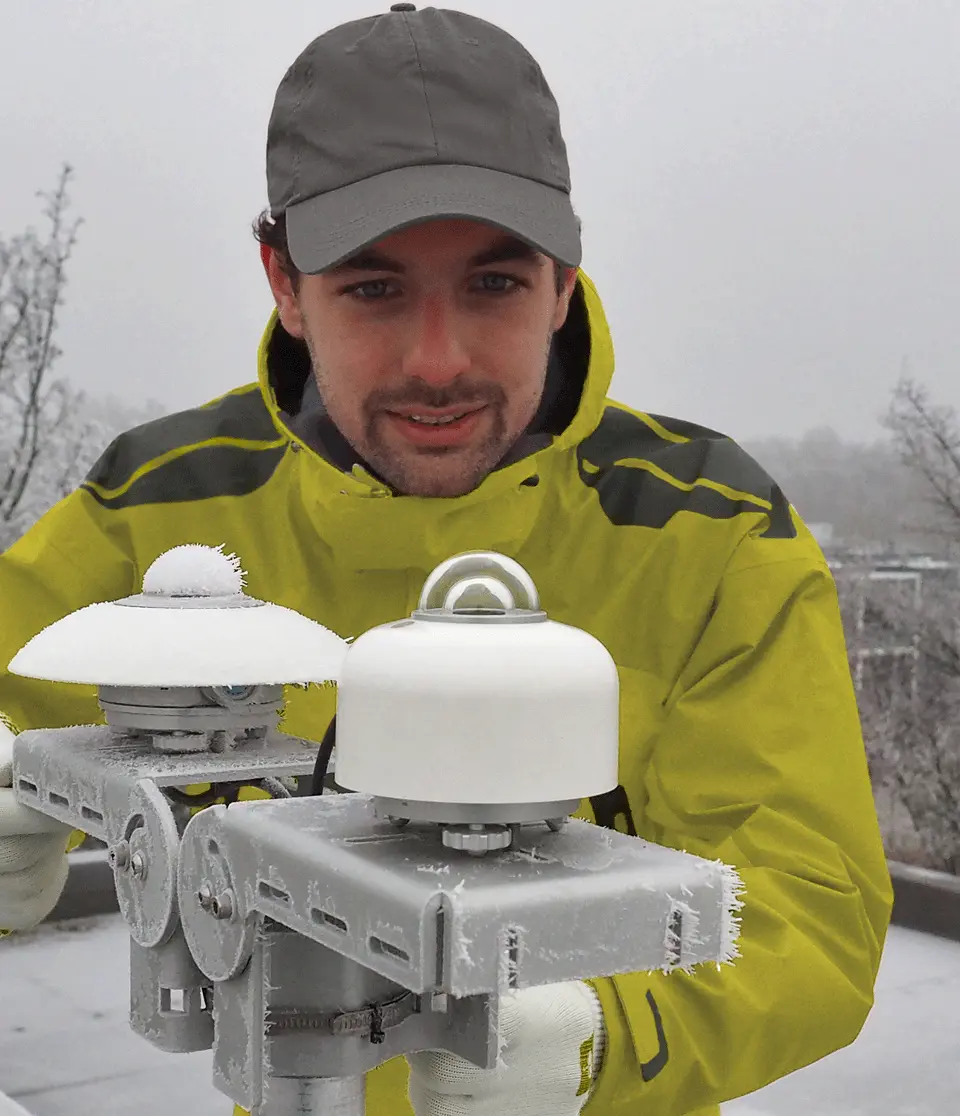
- Expected measuring conditions: Special environmental factors such as dew, frost, snow, and dust should be taken into account when selecting a sensor. At Hukx, we offer sensors with integrated heating to ensure accurate measurement in all conditions.
- Desired output: We offer sensors with both digital and analog output signals.
Advantages
Choosing Hukx sensors means investing in bankable solar radiation data. We offer many other advantages including:
- Proven expertise: At Hukx, we have been developing solar radiation sensors since 1993. Over the years, we have expanded our product lines and established ourselves as both a technology and market leader.
- Worldwide support: Hukx has specialists available in every major economy.
- Calibration support: We have a worldwide calibration network, reducing the need for cross-border transport.
- Compliance with standards: Our solar radiation sensors comply with industry standards such as IEC 61724 and ISO 9060.
- Traceability: All sensor calibrations are formally traceable to international standards.
Related products
Notas de aplicação relacionadas
Guia de seleção de piranômetros
Como escolher o melhor sensor para a sua aplicação
O que é um difusômetro?
Uma introdução rápida aos conceitos básicos de difusômetros
O que é um pireliômetro?
Uma introdução rápida aos conceitos básicos de pireliômetros
Impacto ambiental do SR30
Comparado a piranômetros ventilados externamente
Mudança na escala de calibração da radiação solar
Espera-se que a escala de irradiância solar WRR seja reduzida
SR30:
Medição solar em climas frios
Medição de albedo em amostragem
Dicas e boas práticas para obter o máximo da medição com albedômetro
Como medir a radiação solar
Medindo radiação solar da forma correta
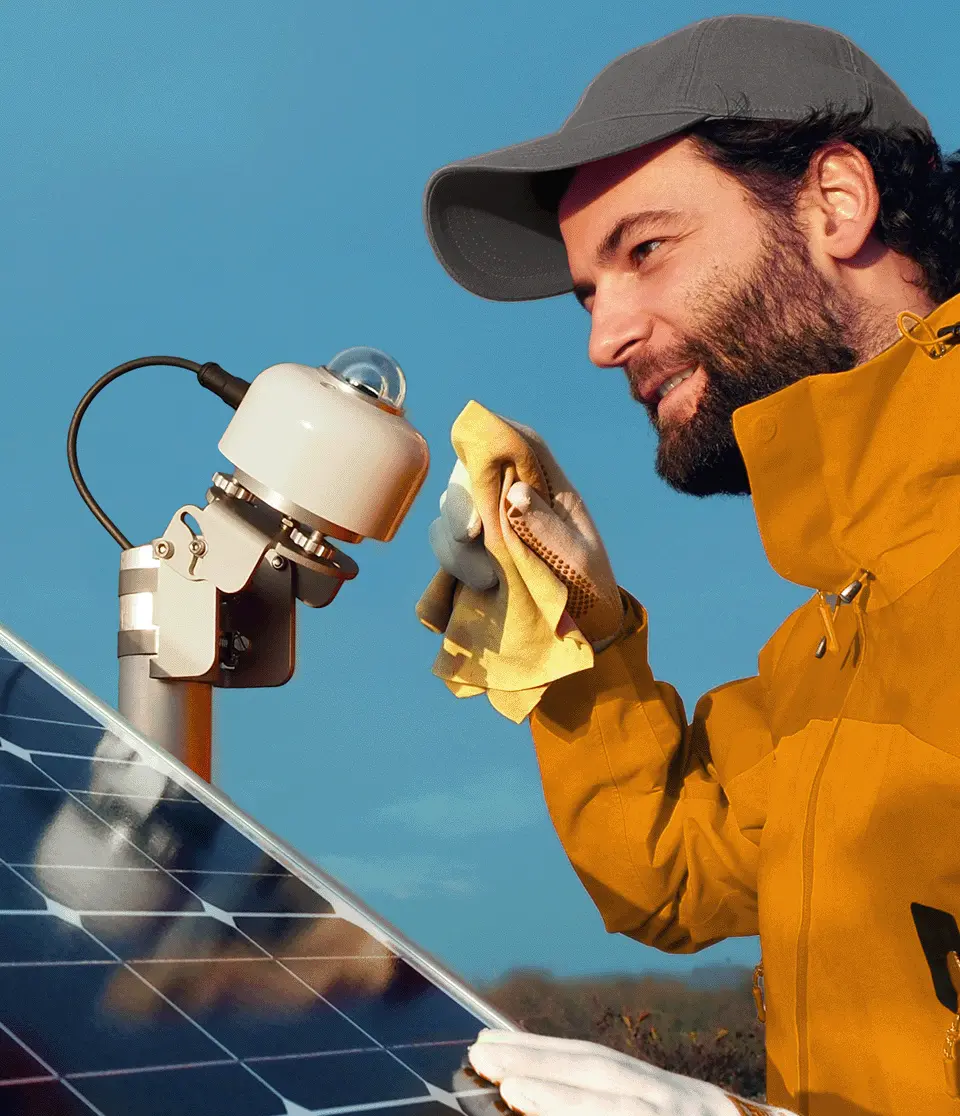
O que é um piranômetro?
Leia mais sobre o que é um piranômetro
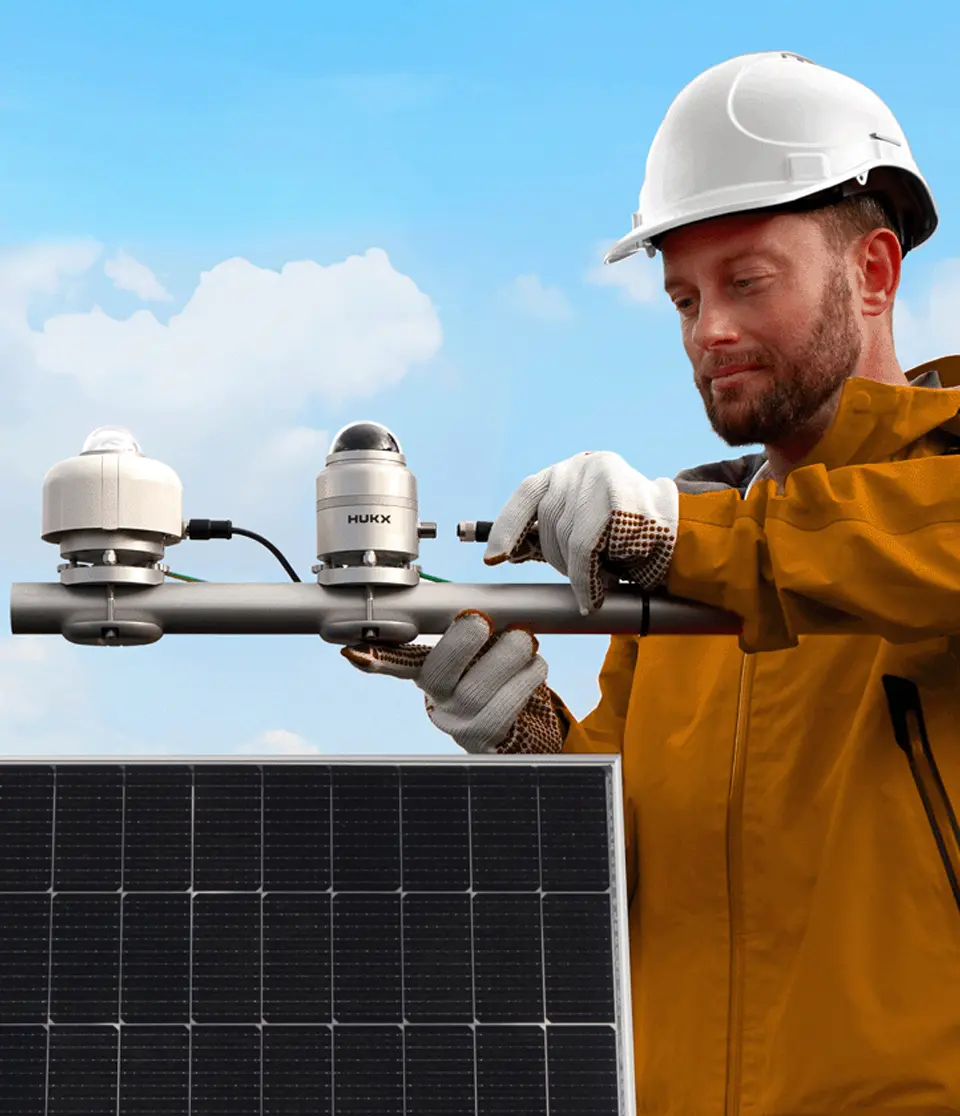
Norma ISO 9060:2018
Seus piranômetros estão em conformidade?
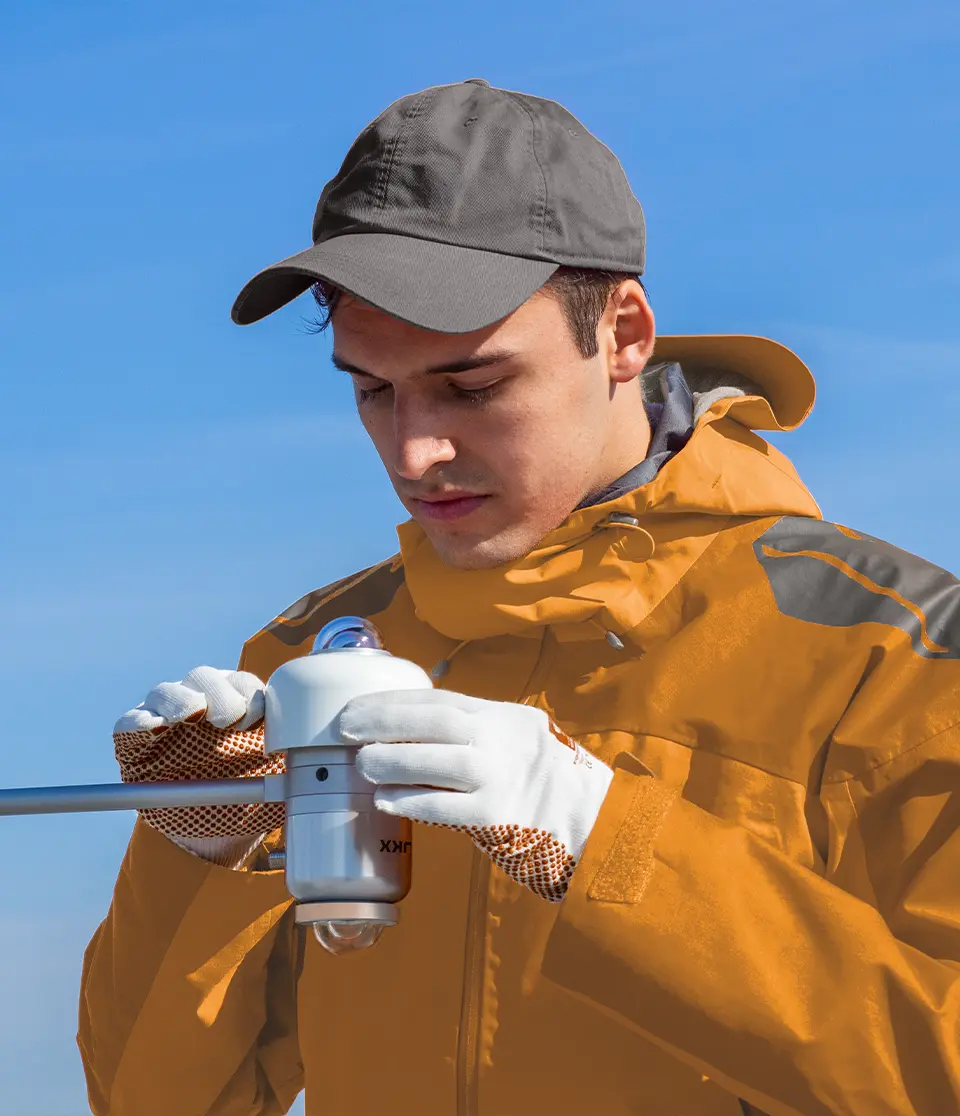
O que fazer contra geada e orvalho
Controle de qualidade para dados de piranômetros
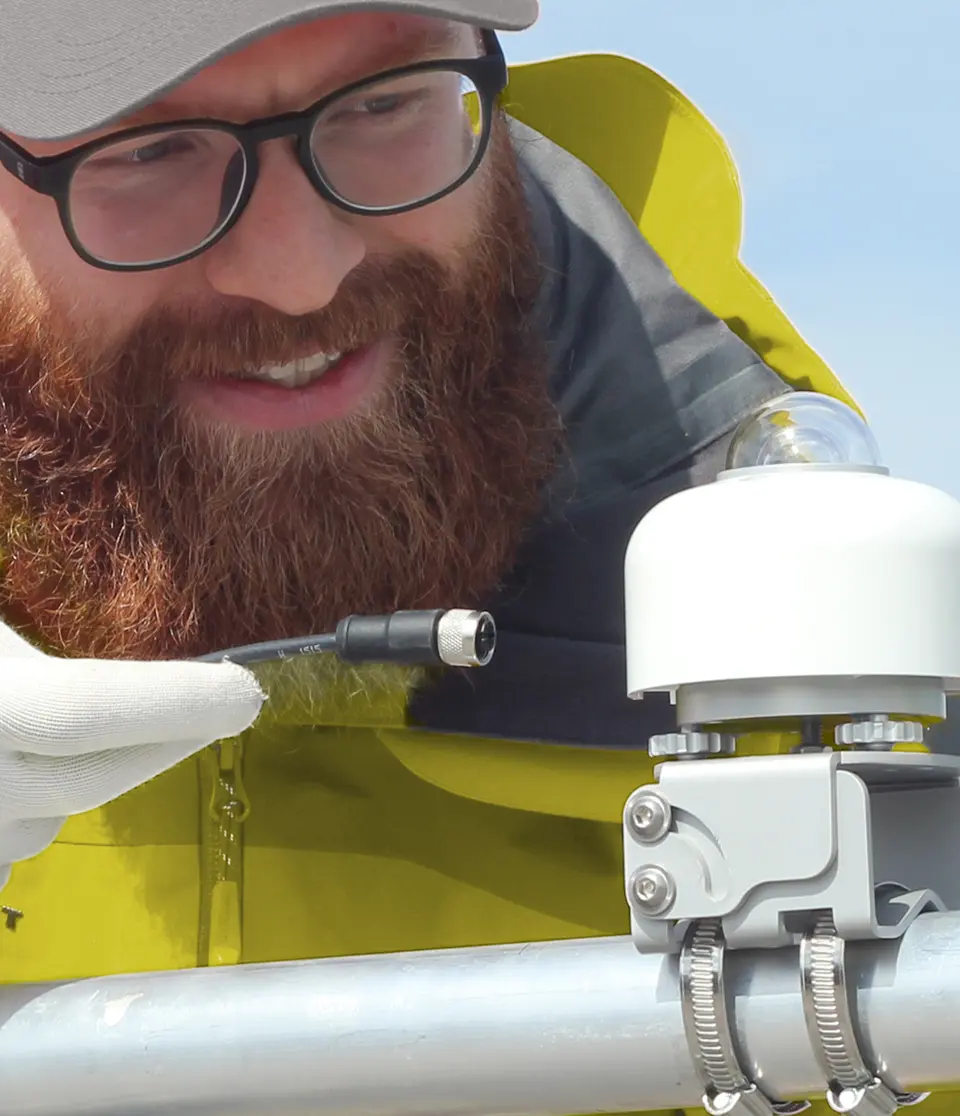
O que são "offsets" em piranômetros?
Respostas às perguntas básicas sobre zero offsets em piranômetros
Física construtiva dos piranômetros
Por que possui duas cúpulas?
Por que aquecer piranômetros
Melhora a disponibilidade de dados e reduz erros de zero offset
IR20: bastidores do desenvolvimento
Um pirgeômetro de nível científico que estabelece novos padrões

Vamos discutir detalhes técnicos
Você tem dúvidas, precisa de ajuda para encontrar a solução adequada ou deseja discutir um instrumento para uma aplicação específica? Nossos engenheiros oferecem orientação especializada. Entre em contato conosco!