As global energy demand grows, the need for efficient and sustainable energy sources becomes increasingly urgent. Solar energy is a major contributor to the green energy market. Advancing solar energy research is vital to making the PV system market future-proof. At Hukx, we support solar energy research with a broad range of solar radiation sensors. We offer spectrally flat instruments with accuracies ranging from ISO Class A, Class B, and Class C.
Our solar radiation sensors
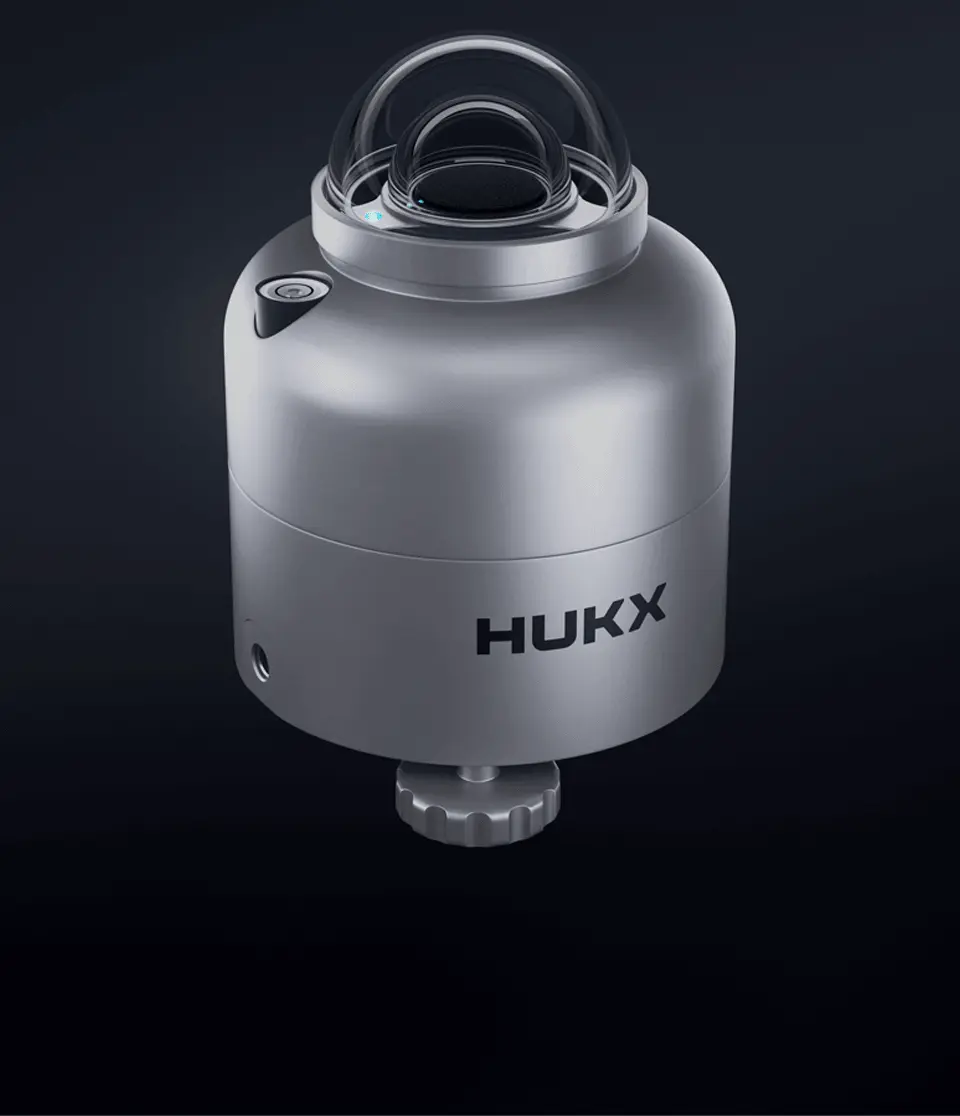
Hukx is a supplier of a range of different sensors for solar radiation. These sensors measure the radiative energy flux onto or through a surface in [W/m2]. We have different sensors suitable for PV monitoring. Each sensor isolates or combines different components of the sun’s radiation:
- Pyranometers: Our best-sellers, designed to measure hemispherical solar radiation. This quantity is commonly measured in horizontal position (global horizontal irradiance/GHI). The sensor can also be mounted in the plane of array (POA) next to PV panels, to measure POA irradiance.
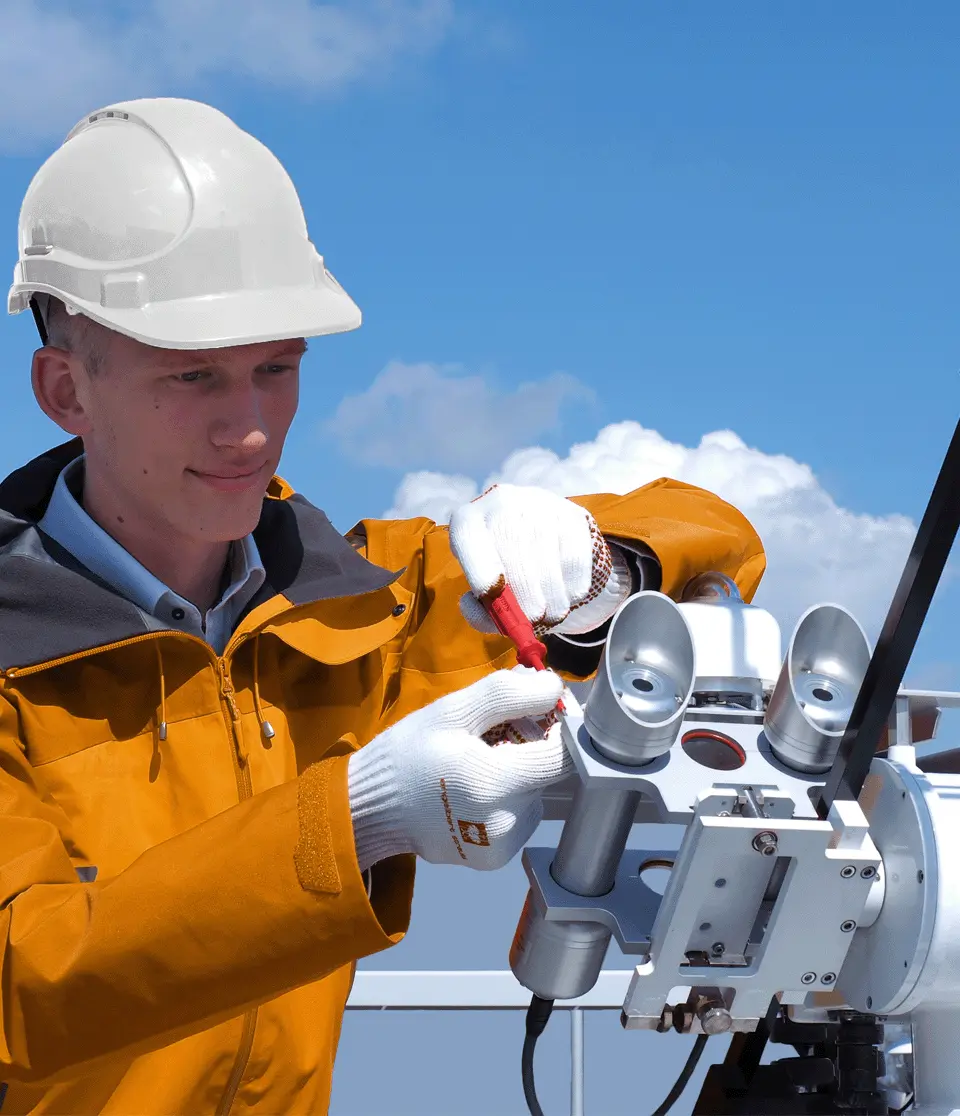
- Pyrheliometers: These sensors are designed to measure direct (normal incidence) solar radiation (DNI). They are usually mounted on a sun-tracker to keep the instrument aimed at the sun.
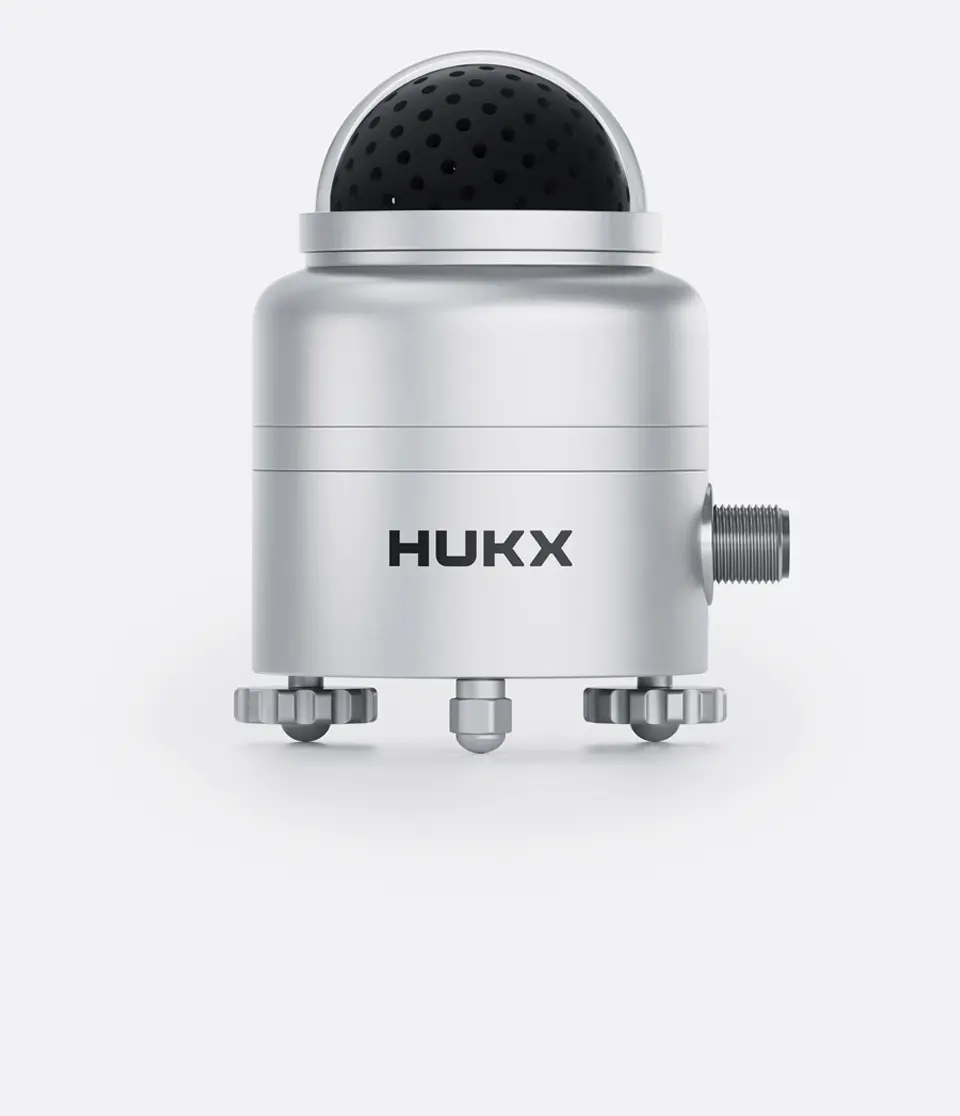
- Diffusometer: This instrument is designed to measure diffuse radiation (DHI). When combined with a pyranometer to measure GHI, DNI can be calculated.
Our pyranometers and pyrheliometers use thermopile sensors to convert thermal energy into an electrical signal. Our diffusometer uses photodiode sensors to convert light into an electrical signal. PV system owners worldwide rely on our technology to develop the next generation of PV systems.
Developing the best PV systems
In the development and research phases of PV systems and technologies, solar radiation measurements are essential. These measurements provide the baseline for energy efficiency calculations, material optimization, and PV performance validation:
- Energy efficiency: This is one of the most important metrics to consider when choosing a certain PV technology. Using our sensors, researchers can perform accurate reference solar radiation measurements. By multiplying the irradiance measurements by the incident surface area of the PV system, an estimate of the generated energy can be obtained. By comparing this value to the actual power output, the energy efficiency rating of a system can be determined.
- Material optimization: Solar radiation measurements enable comparisons between PV materials such as thin-films or silicon. Such measurements can also be used to assess the performance of novel PV technologies and materials. Long-term irradiance monitoring can also help with analyzing a material’s degree of degradation.
- PV performance modelling: The accurate measurements of our devices can be used as inputs and boundary conditions for PV simulation models. Accurate simulations are the baseline for developing efficient PV systems.
Sensor selection
Hukx offers a broad range of sensors, including pyranometers, pyrheliometers, and diffusometers.
The ideal sensor for your application depends on several factors:
- Accuracy: Our sensors adhere to different ISO 9060 standards. Pyranometers range from Class A to Class C, and pyrheliometers are available with Class A and Class B ratings.
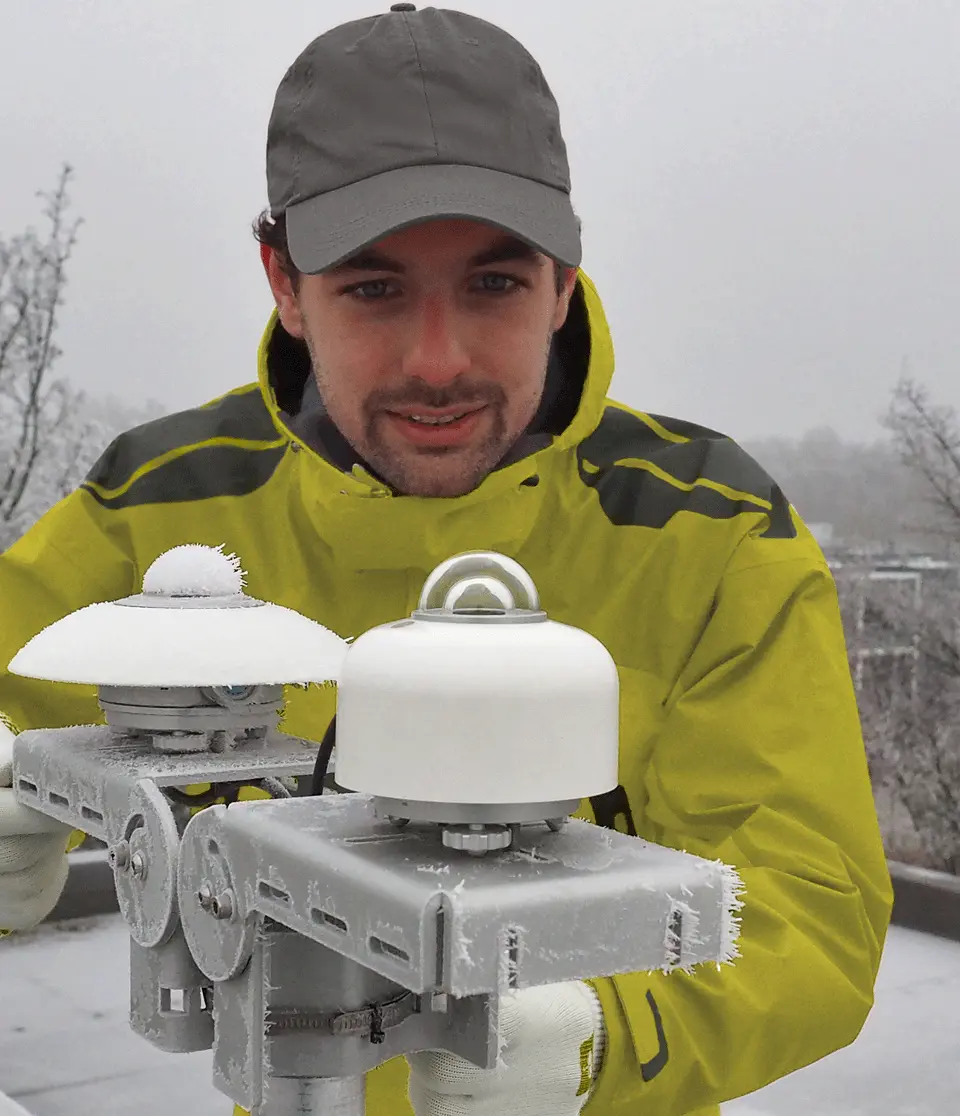
- Expected measuring conditions: Special environmental factors such as dew, frost, snow, and dust should be taken into account when selecting a sensor. At Hukx, we offer sensors with integrated heating to ensure accurate measurement in all conditions.
- Desired output: We offer sensors with both digital and analog output.
Advantages
Choosing Hukx sensors means investing in bankable solar radiation data. We offer many other advantages including:
- Proven expertise: At Hukx, we have been developing solar radiation sensors since 1993. Over the years, we have expanded our product lines and have established ourselves as both the technology and market leader.
- Worldwide support: Hukx has specialists available in every major economy.
- Calibration support: We have a worldwide calibration network, reducing the need for cross-border transport.
- Compliance with standards: Our solar radiation sensors comply with industry standards such as IEC 61724 and ISO 9060.
- Traceability: All sensor calibrations are formally traceable to international standards.
Related products
Notas de aplicação relacionadas
Mapa de registros ModBus com compatibilidade com toda a linha de instrumentos industriais
Compatibilidade para piranômetros de grau industrial que permite emular o mapa de registros Modbus de todos os instrumentos
Independent test confirms SR30 accuracy
NREL’s BORCAL and SSRL BMS data confirm that Hukx SR30 outperforms competition
Independent pyranometer test
Independent testing confirms good performance of Hukx pyranometers
ISO 9060 pyranometer classification
How the ISO 9060 standard impacts solar radiation measurement in PV monitoring and meteorological applications
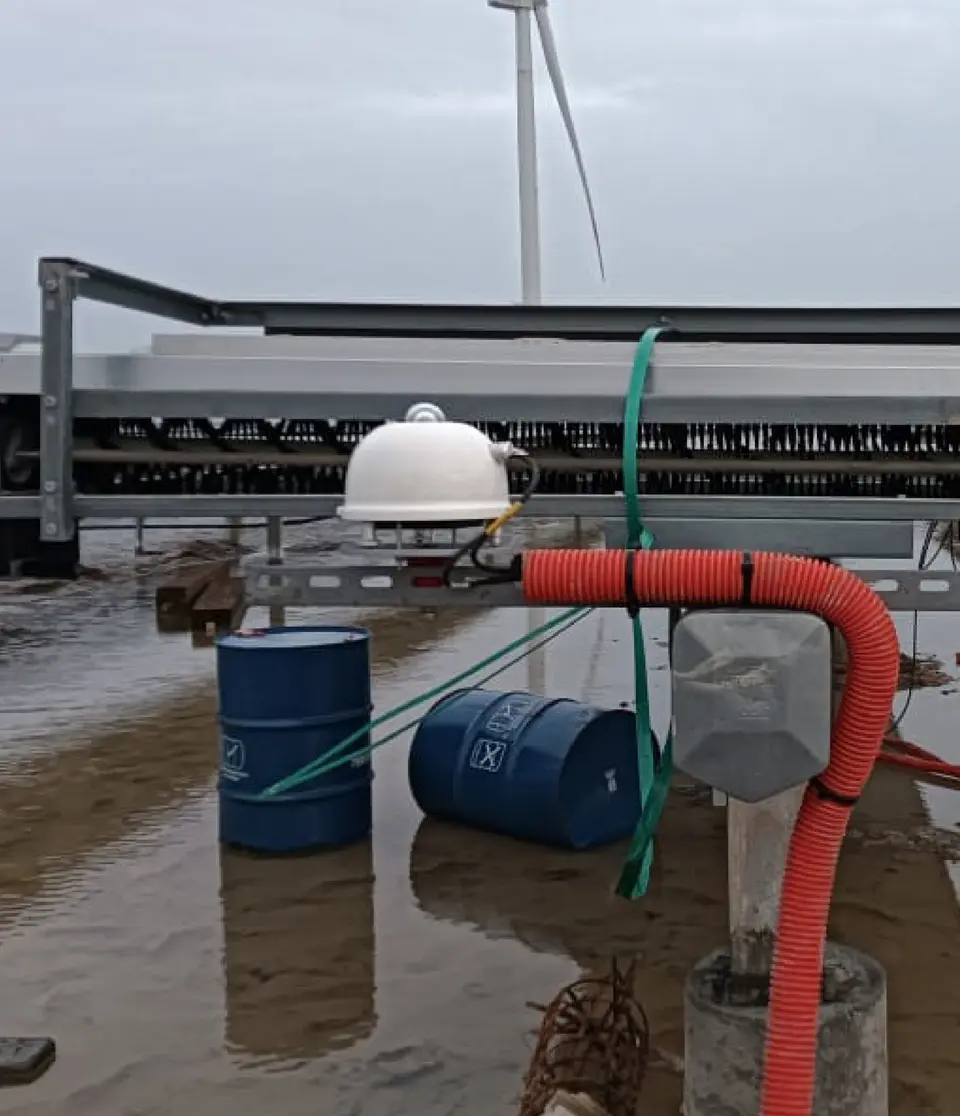
Hukx pyranometers in corrosive, salty and marine environments
Hukx pyranometers are used all over the globe. Although not formally specified for corrosive salty or marine environments, they are successfully employed there.
Guia de seleção de piranômetros
Como escolher o melhor sensor para a sua aplicação
O que é um difusômetro?
Uma introdução rápida aos conceitos básicos de difusômetros
O que é um pireliômetro?
Uma introdução rápida aos conceitos básicos de pireliômetros
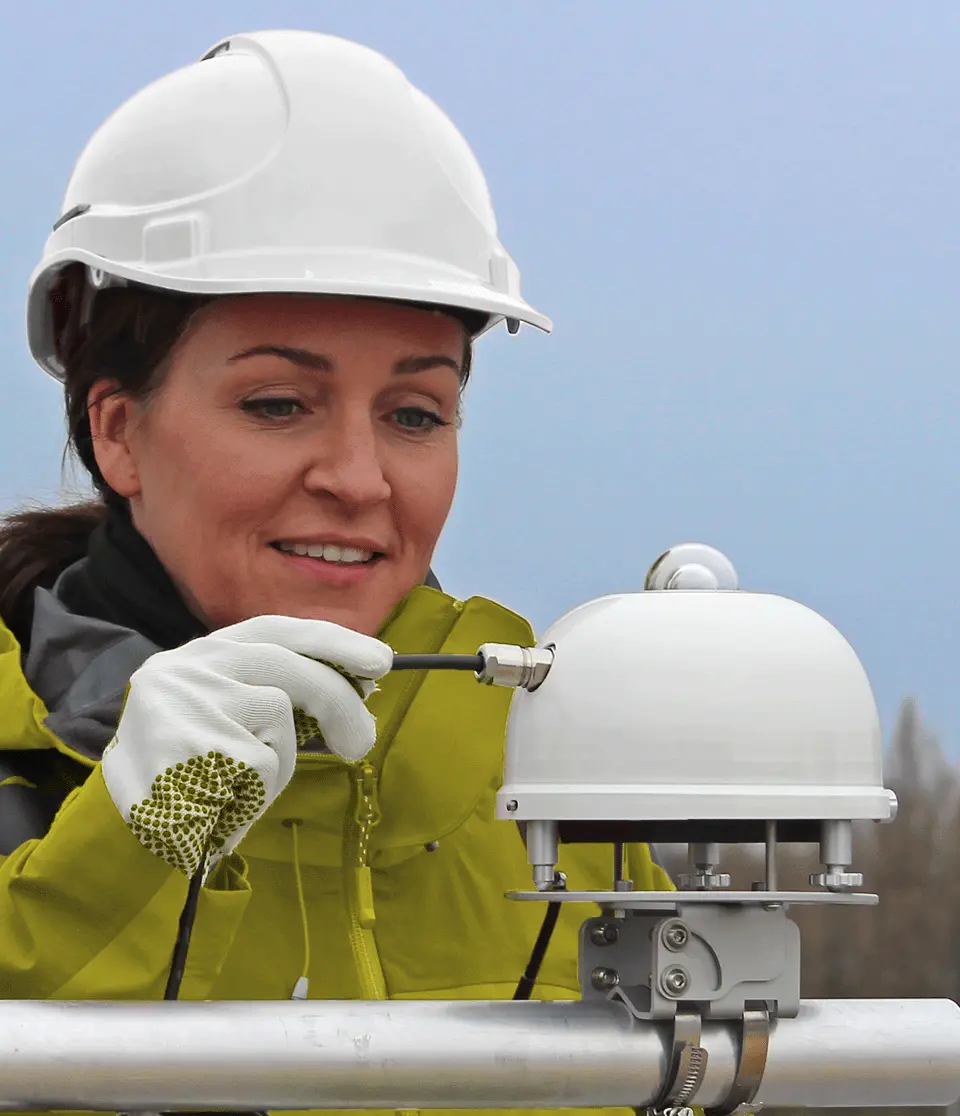
Impacto ambiental do SR30
Comparado a piranômetros ventilados externamente
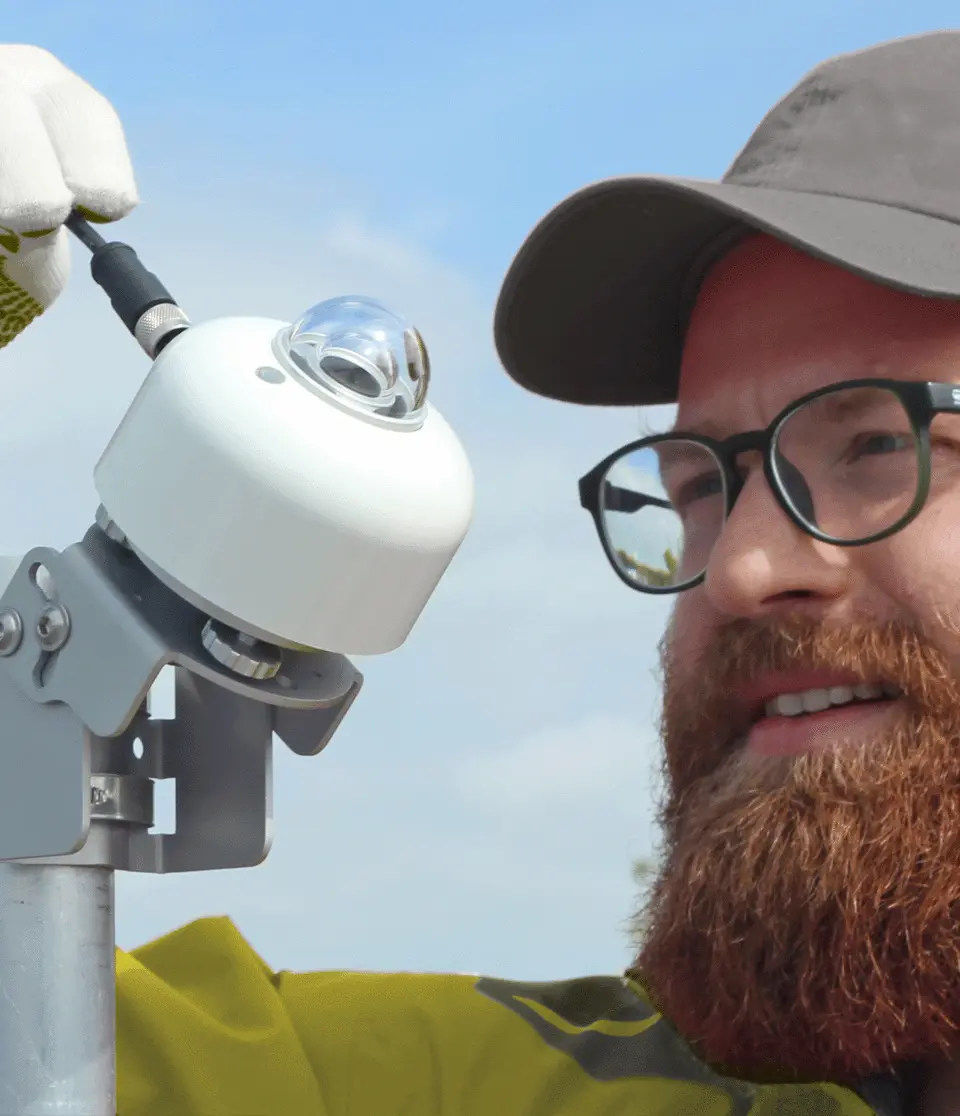
Mudança na escala de calibração da radiação solar
Espera-se que a escala de irradiância solar WRR seja reduzida
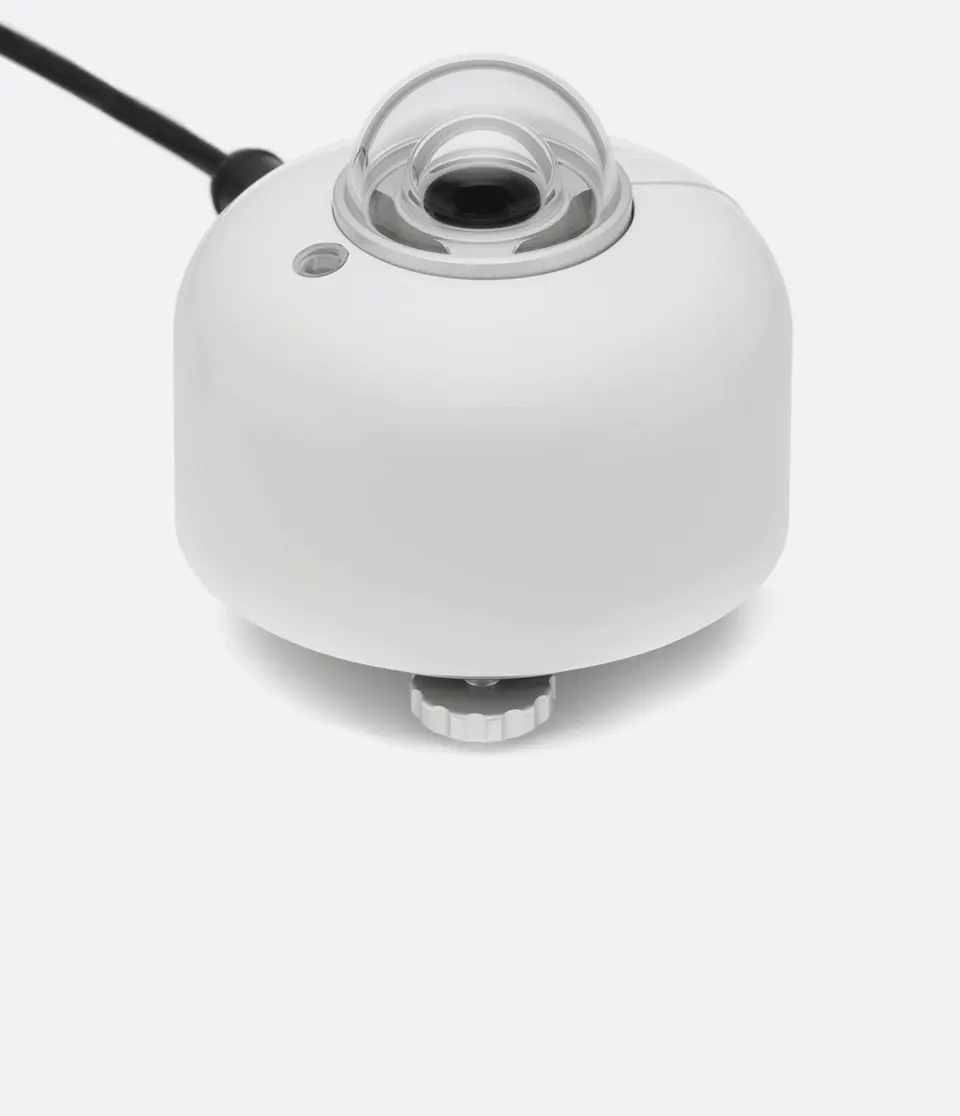
SR30:
Medição solar em climas frios
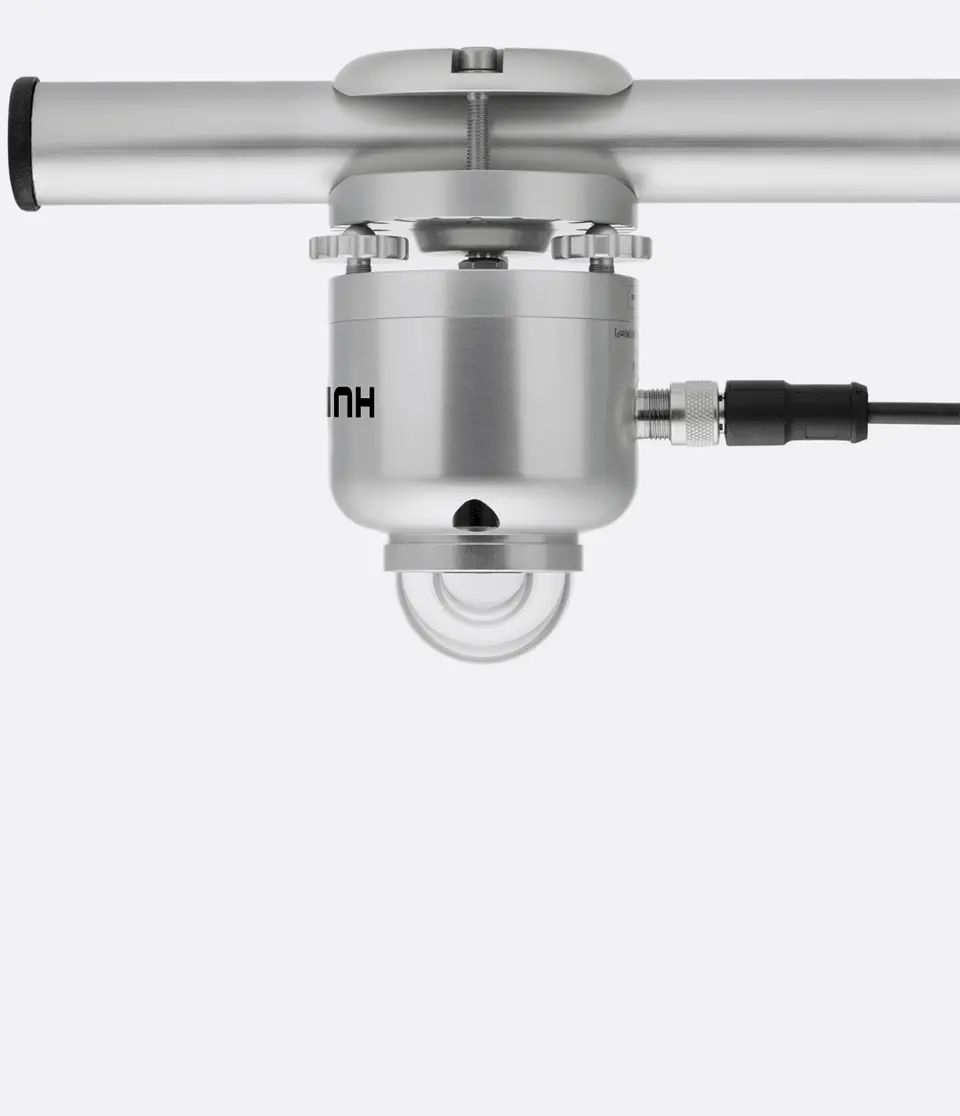
Medição de albedo em amostragem
Dicas e boas práticas para obter o máximo da medição com albedômetro
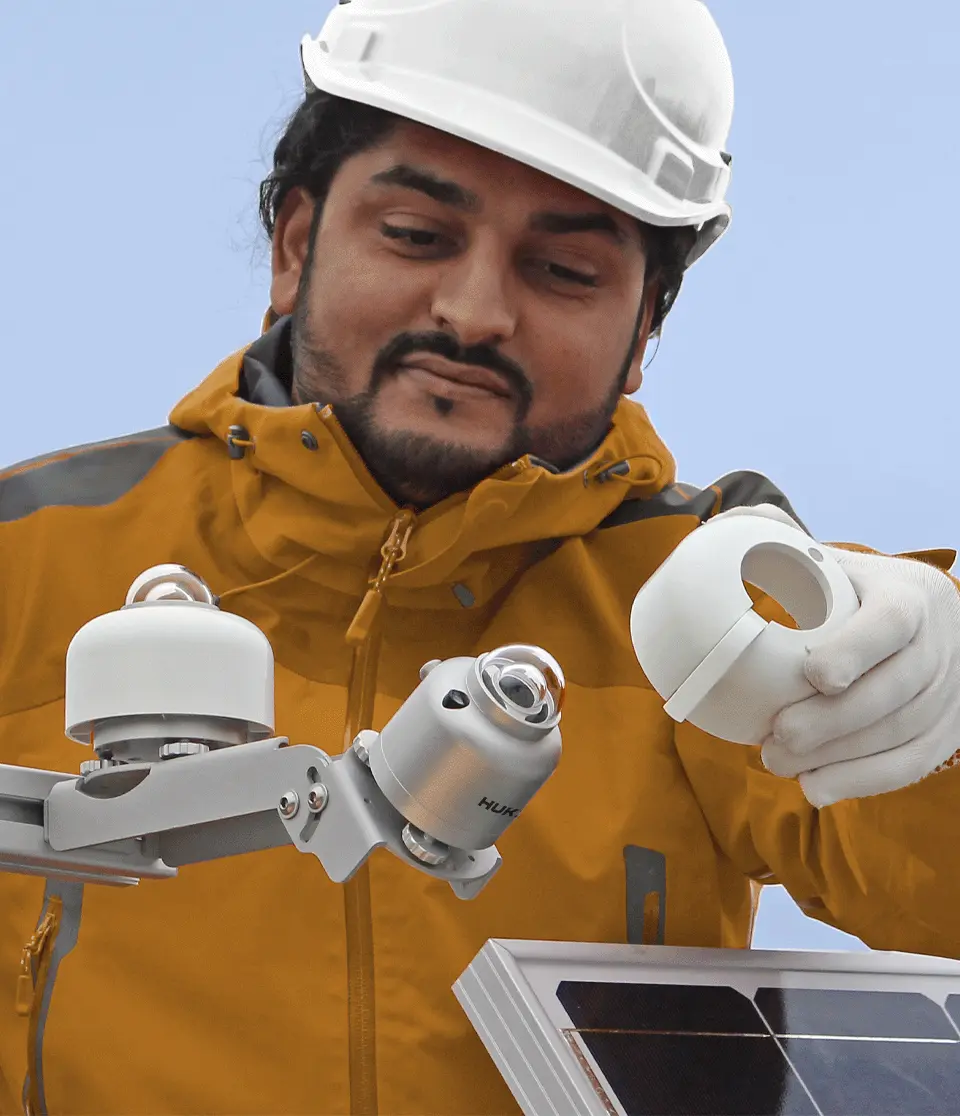
Como medir a radiação solar
Medindo radiação solar da forma correta
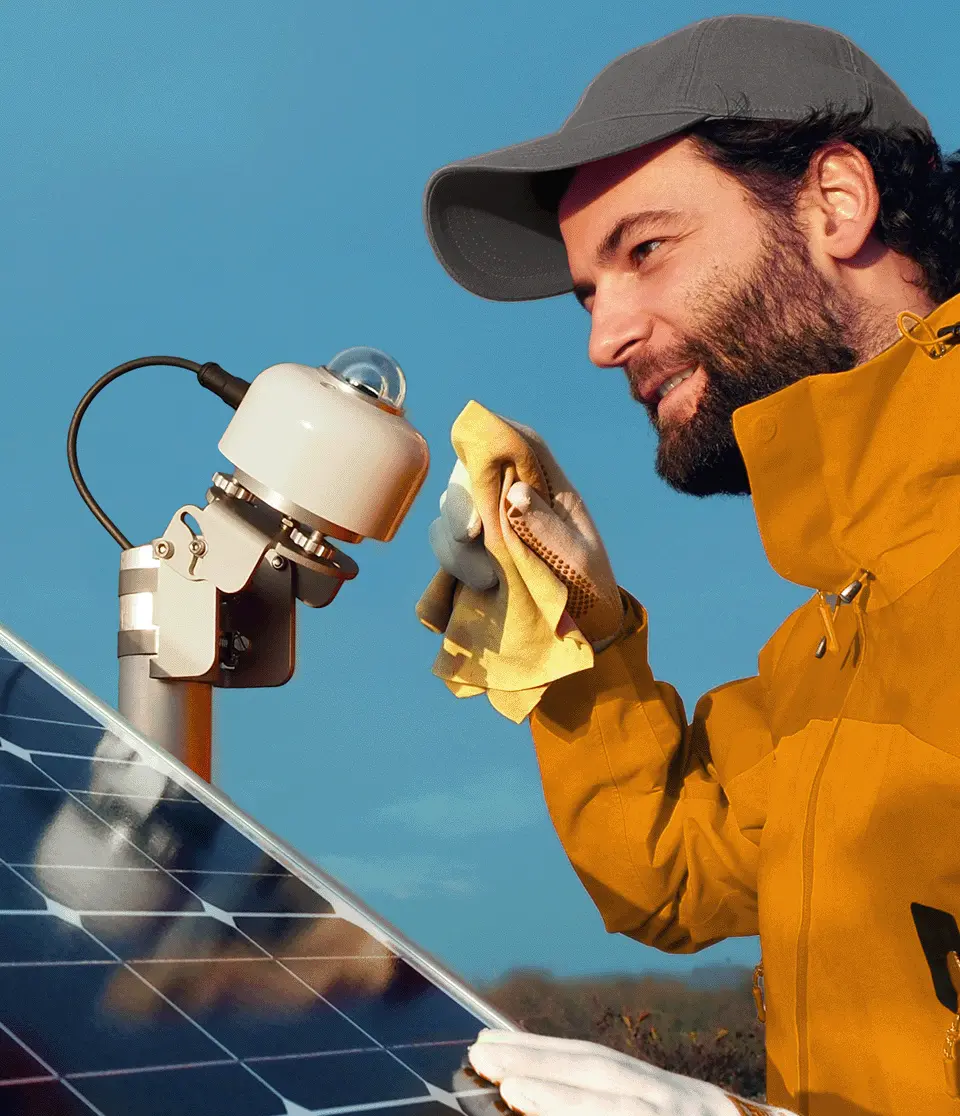
O que é um piranômetro?
Leia mais sobre o que é um piranômetro
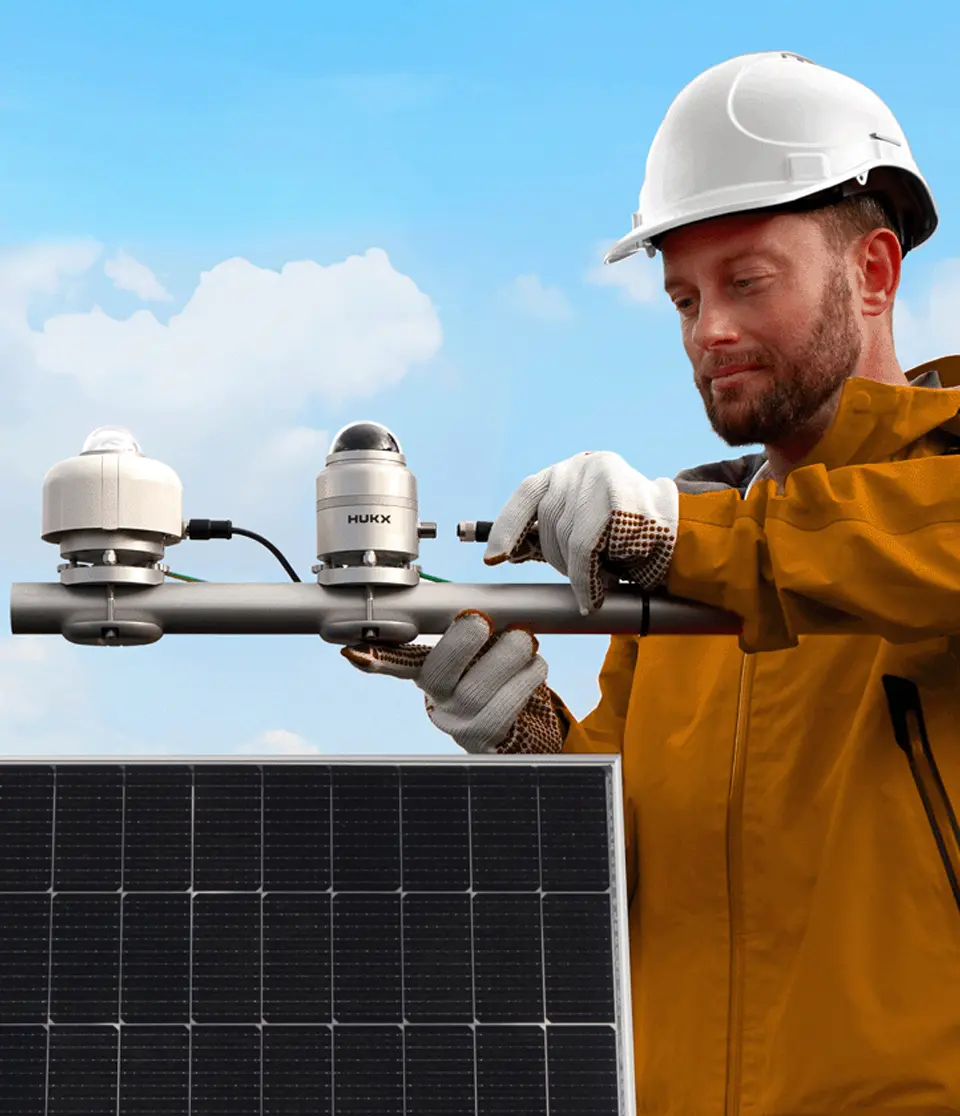
Norma ISO 9060:2018
Seus piranômetros estão em conformidade?
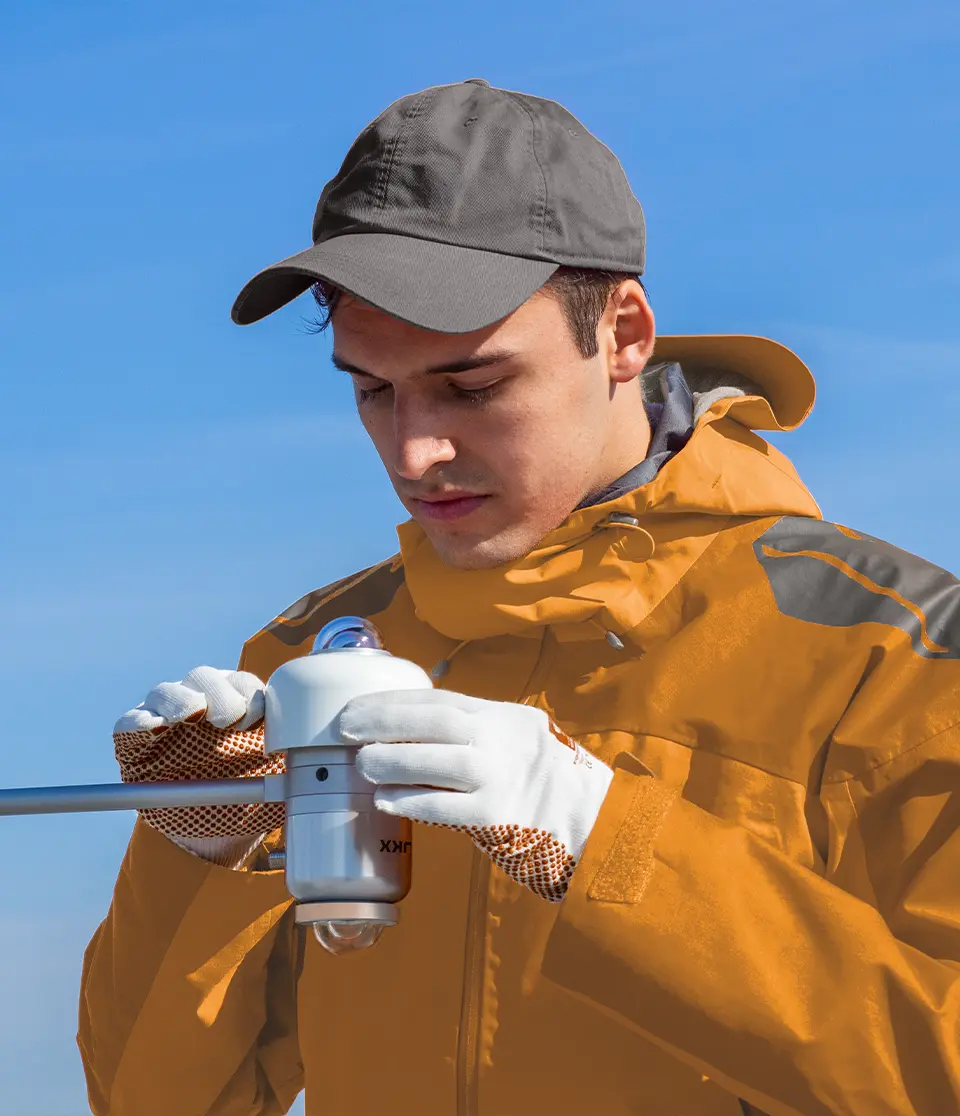
O que fazer contra geada e orvalho
Controle de qualidade para dados de piranômetros
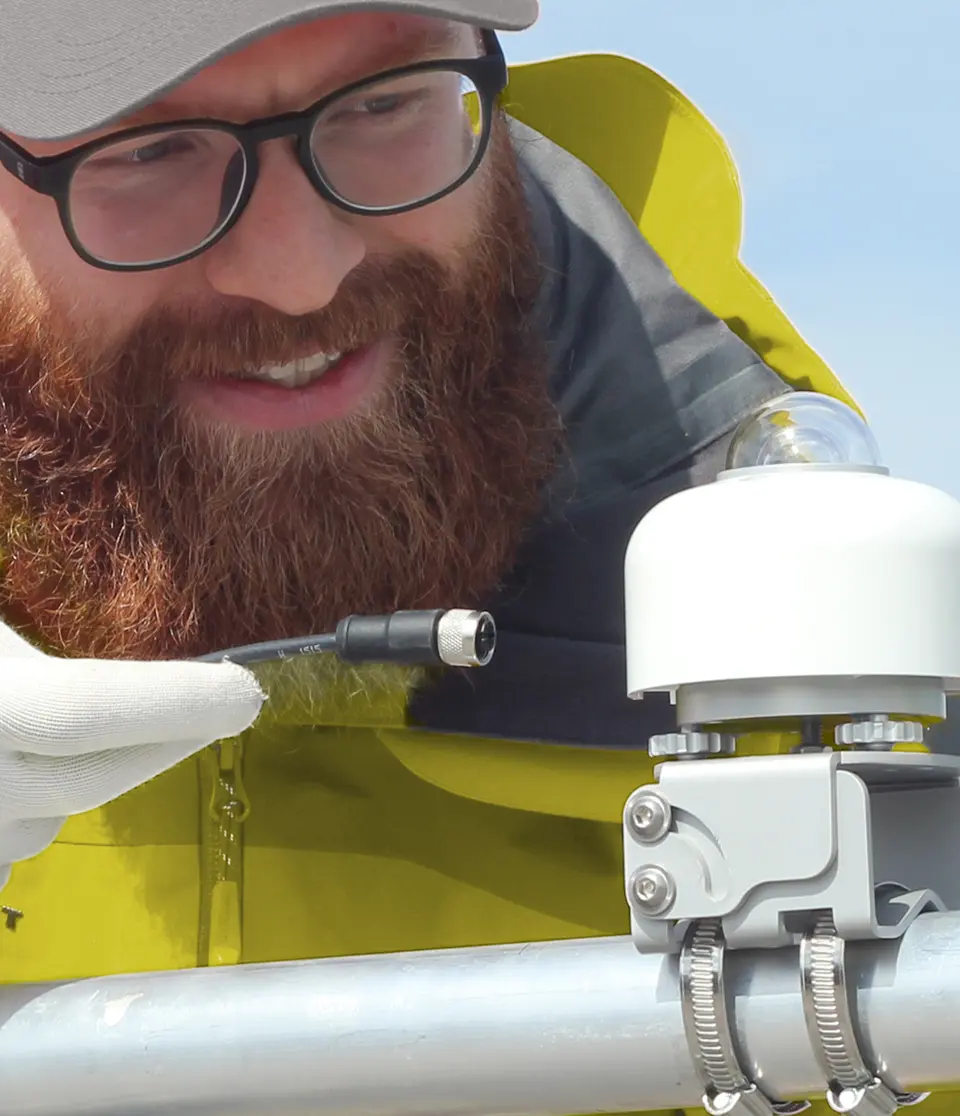
O que são "offsets" em piranômetros?
Respostas às perguntas básicas sobre zero offsets em piranômetros
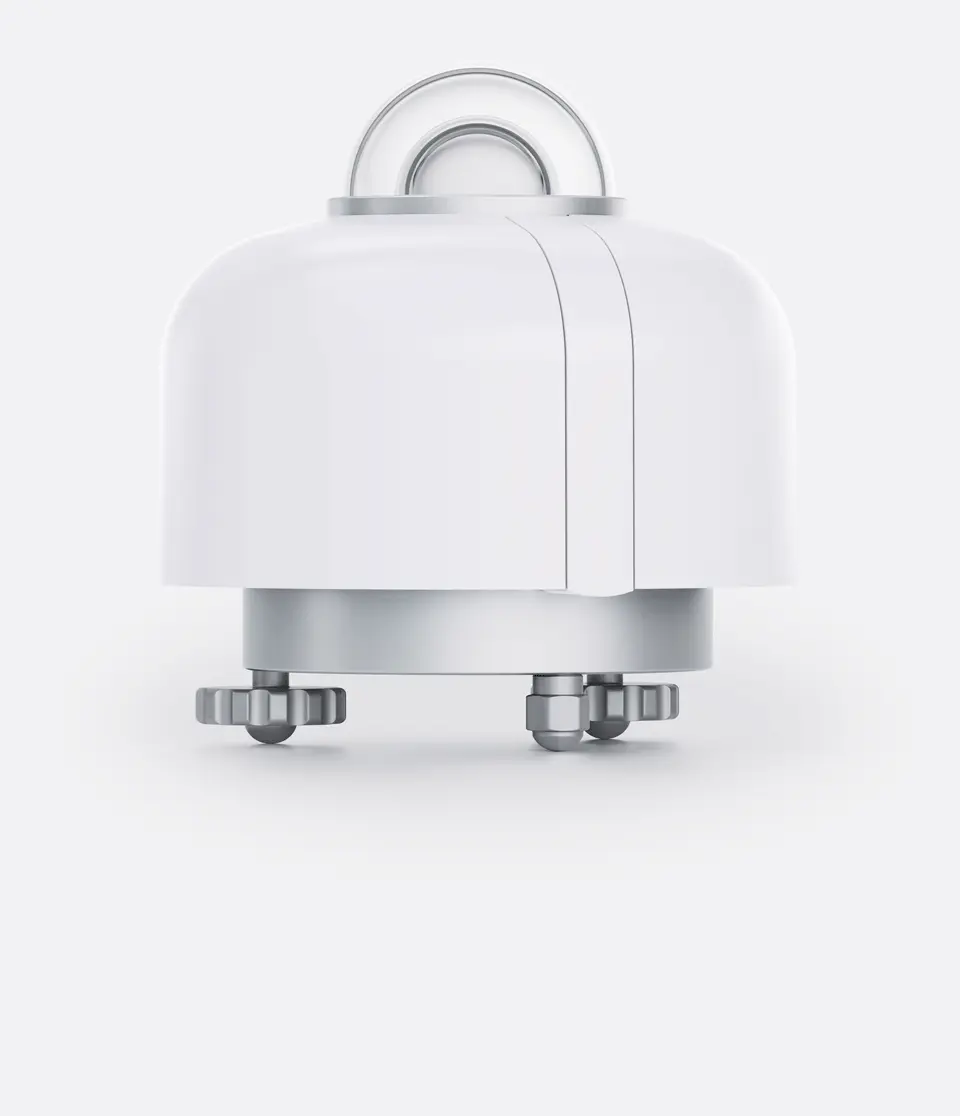
Física construtiva dos piranômetros
Por que possui duas cúpulas?
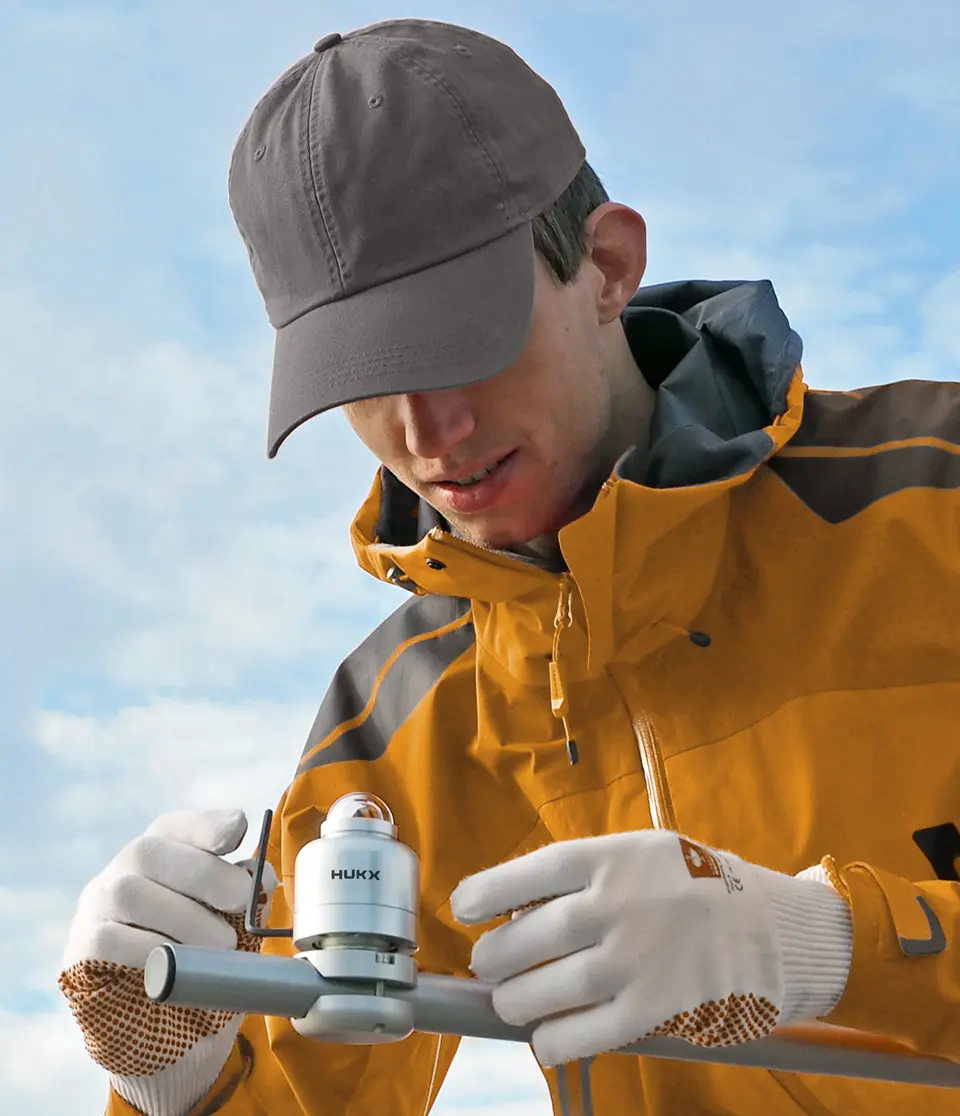
Por que aquecer piranômetros
Melhora a disponibilidade de dados e reduz erros de zero offset
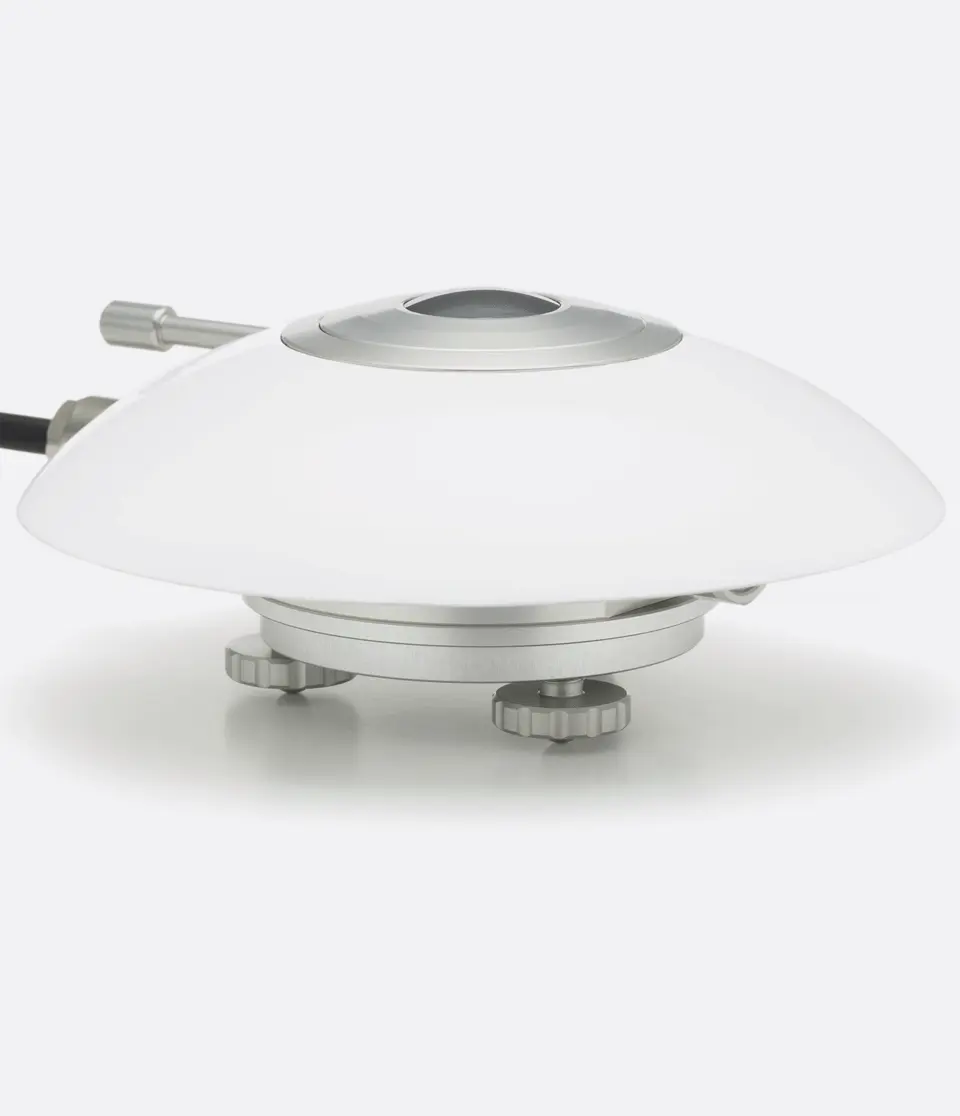
IR20: bastidores do desenvolvimento
Um pirgeômetro de nível científico que estabelece novos padrões

Vamos discutir detalhes técnicos
Você tem dúvidas, precisa de ajuda para encontrar a solução adequada ou deseja discutir um instrumento para uma aplicação específica? Nossos engenheiros oferecem orientação especializada. Entre em contato conosco!